
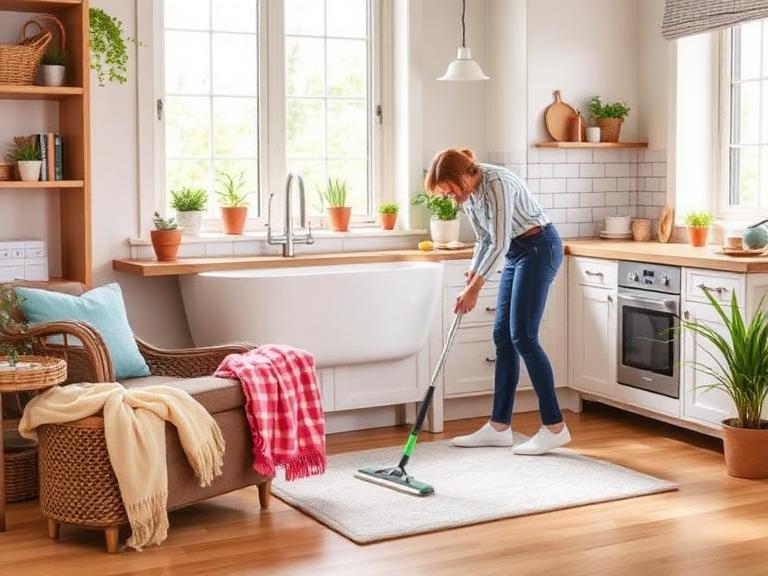
Eco-Friendly Cleaning Methods for a Healthier Home

Are you tired of harsh chemical cleaners leaving your home smelling like a laboratory? You’re not alone. More homeowners are discovering that natural cleaning methods can be just as effective—without the toxic fumes, skin irritation, or environmental damage.
At Cedar & Foam Cleaning Co., we’ve spent years perfecting eco-friendly cleaning techniques that deliver professional results using ingredients you probably already have in your kitchen. Here’s everything you need to know to transform your cleaning routine.
Why Switch to Eco-Friendly Cleaning?
Traditional cleaning products often contain volatile organic compounds (VOCs), ammonia, bleach, and other harsh chemicals that can:
- Trigger asthma and allergies
- Leave harmful residues on surfaces
- Pollute indoor air quality
- Damage septic systems
- Harm aquatic life when washed down drains
Natural alternatives are safer for your family, pets, and the planet—and they’re significantly more affordable.
The Power of Five Simple Ingredients
You can clean almost anything in your home with these five eco-friendly powerhouses:
1. White Vinegar
A natural disinfectant that cuts through grease, dissolves mineral deposits, and eliminates odors. Use it diluted (1:1 with water) for most surfaces.
2. Baking Soda
This gentle abrasive scrubs away stubborn stains without scratching surfaces. It also neutralizes odors and boosts the cleaning power of other ingredients.
3. Castile Soap
Made from plant oils, this biodegradable soap cleans everything from dishes to floors without synthetic additives.
4. Hydrogen Peroxide
A natural bleaching agent and disinfectant that’s perfect for grout, mold, and stain removal.
5. Essential Oils
Add tea tree oil for antimicrobial properties, lemon for grease-cutting power, or lavender for a calming scent.
Room-by-Room Eco-Friendly Cleaning Guide
Kitchen
All-Purpose Cleaner: Mix 1 cup water, 1 cup vinegar, and 15 drops of lemon essential oil in a spray bottle. Perfect for countertops, appliances, and sinks.
Degreaser: Make a paste with baking soda and castile soap. Apply to greasy stovetops and range hoods, let sit for 10 minutes, then scrub.
Garbage Disposal: Freeze vinegar in ice cube trays, then grind them to clean and sharpen blades while eliminating odors.
Bathroom
Tile and Grout: Spray hydrogen peroxide on grout lines, let sit for 15 minutes, then scrub with a baking soda paste.
Toilet Bowl: Pour 1 cup vinegar into the bowl, add ½ cup baking soda, let fizz for 10 minutes, then scrub.
Glass and Mirrors: Use equal parts vinegar and water in a spray bottle. Wipe with microfiber cloths for streak-free shine.
Living Areas
Carpet Freshener: Sprinkle baking soda mixed with a few drops of essential oil on carpets, let sit for 15 minutes, then vacuum.
Wood Furniture: Mix ¼ cup vinegar with ¾ cup olive oil. Apply sparingly with a soft cloth, then buff to a shine.
Dusting: Use a damp microfiber cloth—no products needed. The static attracts dust without spreading it into the air.
Bedroom
Mattress Refresh: Strip the bed and sprinkle baking soda over the mattress. Let sit for several hours (or overnight) to absorb moisture and odors, then vacuum thoroughly.
Pillow Sanitizing: Most pillows can be washed. Add a cup of vinegar to the rinse cycle to kill dust mites and remove odors.
Professional Tips for Maximum Effectiveness
1. Use the Right Tools: Microfiber cloths capture more dirt than paper towels or cotton rags. Invest in quality spray bottles that won’t degrade with essential oils.
2. Let Solutions Dwell: Natural cleaners often need a few minutes to work. Spray surfaces and tackle another task before wiping.
3. Clean Regularly: Eco-friendly methods work best with consistent maintenance. A quick daily wipe-down prevents buildup that requires harsh chemicals.
4. Ventilate: Even natural cleaners benefit from good airflow. Open windows when cleaning to help surfaces dry and freshen indoor air.
5. Test First: Always test new cleaning solutions on an inconspicuous area, especially on natural stone or unfinished wood.
The Environmental Impact
By switching to eco-friendly cleaning, the average household can:
- Prevent 25+ pounds of toxic chemicals from entering waterways annually
- Reduce plastic waste by refilling reusable bottles
- Improve indoor air quality by up to 500% compared to homes using conventional cleaners
- Save $200-400 per year on cleaning supplies
When to Call Professionals
While DIY eco-friendly cleaning handles most tasks, some situations benefit from professional equipment and expertise:
- Deep carpet extraction
- Post-construction cleanup
- Mold remediation
- Upholstery cleaning for delicate fabrics
Professional eco-friendly cleaning services use commercial-grade equipment and plant-based solutions that deliver deeper cleaning than DIY methods—perfect for annual deep cleans or special occasions.
Getting Started
You don’t need to replace everything overnight. Start by making your all-purpose cleaner and gradually phase out conventional products as they run out. Within a month, you’ll have a fully eco-friendly cleaning arsenal that’s safer, cheaper, and just as effective.
Your home should be a sanctuary—not a chemistry experiment. With these simple methods, you can maintain a spotless, healthy home while protecting your family and the environment.
About the Author: Cedar & Foam Cleaning Co. provides professional eco-friendly cleaning services for homes and businesses. Visit [cedarfoam.com](https://cedarf