How to Choose Flooring That Matches Every Home Style

hoosing new flooring sounds exciting at first. Then the real questions start. Will this color match the cabinets? Will it still look good after a few years? A floor can look beautiful in a photo, but your own home has different light, furniture, walls, and daily needs.That is why visiting a flooring store can make the decision much easier. You are not just picking a color. You are choosing the base of the whole room. The right floor can make a space feel warm, clean, open, cozy, or more polished.
Sam’s Flooring helps customers compare flooring options with real homes in mind. Some people want a modern look. Some want a classic style. Others need something tough for kids, pets, and busy rooms. This guide will help you choose flooring that works with your home style, your lifestyle, and your long-term plans.
Why Flooring Can Change The Whole Feeling of a Home
A floor covers more space than almost anything else in a room. Because of that, it has a big effect on how the home feels. A light floor can make a small room feel more open. A darker floor can add depth and richness. A warm wood tone can make a plain room feel more welcoming.Think about a living room with white walls and simple furniture. If you add a smooth light floor, the room may feel modern and clean. If you add a warm brown floor, the same room may feel more cozy and relaxed. The furniture did not change, but the mood did.
Lighting also matters. A floor that looks soft and natural in a showroom may look darker at home. Rooms with small windows need extra care when choosing deep colors. Open rooms can usually handle stronger tones better. That is why samples and real product views are so helpful.
Match Your Floor With the Style Your Home Already Has
The easiest way to choose flooring is to look at the style already inside your home. You do not need everything to match perfectly. Still, the floor should feel connected to the walls, cabinets, doors, and furniture.
Modern Homes
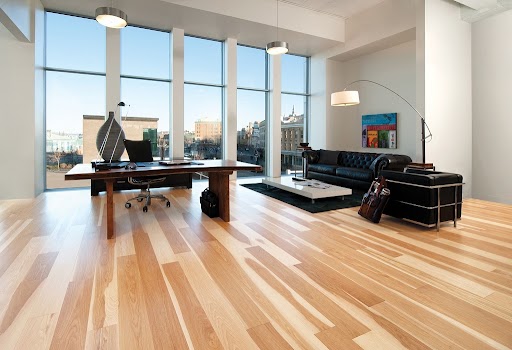
Modern homes usually look better with clean flooring. Smooth finishes, soft gray tones, light oak looks, and simple plank styles often work well. These choices keep the room calm and uncluttered.
A modern space can also handle contrast. For example, dark floors with white walls can look sharp. However, too much contrast may feel cold if the room has little natural light. Add warm furniture or rugs to balance it.
Farmhouse or Rustic Homes
Farmhouses and rustic homes often need warmth. Floors with natural grain, soft brown tones, or textured finishes can support that lived-in feeling. They do not need to look perfect. In fact, small grain changes often make the room feel more real.Wide plank styles can also fit this look nicely. They give a relaxed, comfortable feel. Pair them with white cabinets, black hardware, or natural wood furniture for a balanced design.
Traditional Homes
Traditional homes usually work well with rich colors and classic patterns. Medium brown tones, deep wood looks, and balanced plank sizes can feel timeless. These floors do not fight with detailed furniture or formal rooms.If your home has crown molding, classic cabinets, or warm paint colors, avoid flooring that feels too trendy. A steady, elegant look will last longer.
Minimalist Homes
Minimalist spaces need simple flooring. Soft beige, light brown, pale gray, and smooth finishes can keep the home peaceful. The floor should not pull too much attention.
In this style, less visual detail is better. A busy grain pattern may make the room feel crowded. A softer floor pattern keeps the focus on space, shape, and light.
A Flooring Store Can Help You Avoid Costly Style Mistakes
Here is where many buyers get stuck. They like several floors, but they cannot picture them at home. A flooring showroom can help because you see colors, textures, plank sizes, and finishes more clearly than online photos allow.A good flooring team can also explain which products fit different rooms. For example, a busy kitchen needs flooring that handles spills and foot traffic. A bedroom may need comfort and warmth. A basement may need a product that handles moisture better.
Sam’s Flooring gives customers access to many flooring options, so they can compare products side by side. That makes it easier to avoid buying flooring that looks good alone but feels wrong inside the home. Good flooring selection help can save money, stress, and second guessing.
Choose Floors Based on Daily Life, Not Looks Alone
A floor should look good, but it also needs to survive real life. Think about your daily routine. Do you have kids running through the house? Pets with nails? Shoes coming in from outside? Spills in the kitchen? These small things matter.A family with young children may need a floor that cleans easily. A pet owner may care more about scratch resistance. Someone who loves a quiet bedroom may prefer a softer surface. The right choice depends on how each room is used.
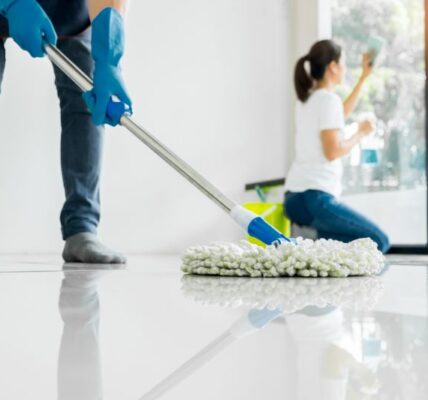
Also think about cleaning time. Some floors need more care to stay attractive. Others are easier to wipe and maintain. If you do not want extra work, choose a floor that fits your habits. A beautiful floor becomes frustrating if it needs more care than you want to give.
Where Hardwood Flooring Fits Best in Home Design
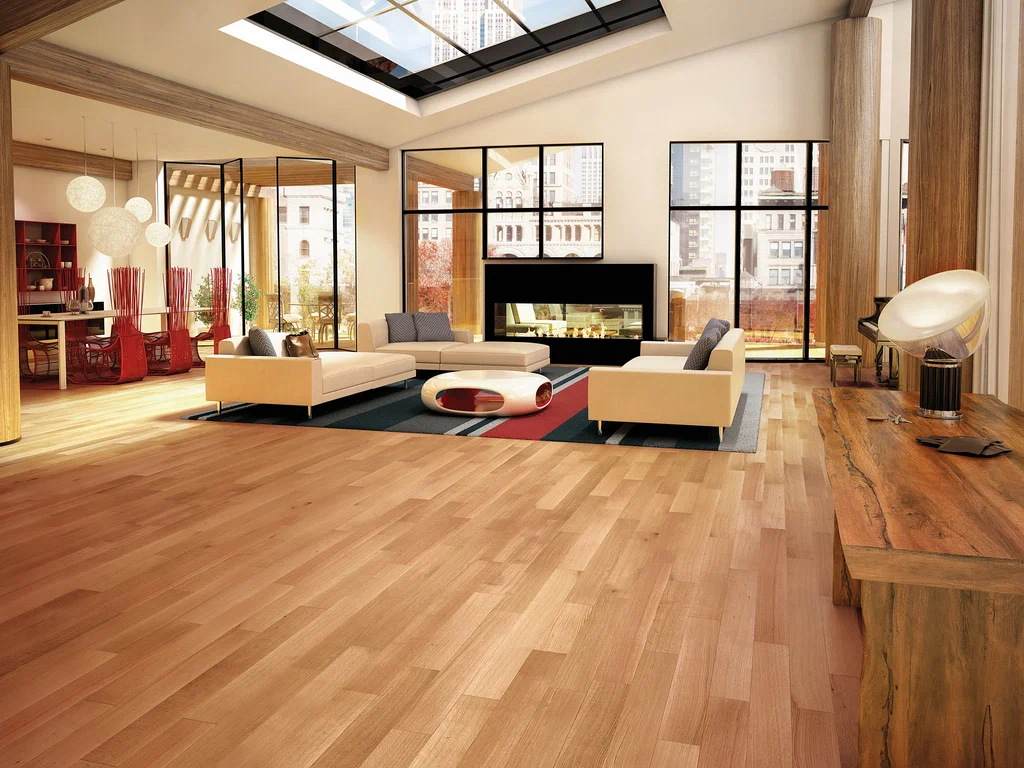
Hardwood flooring brings natural warmth into a home. It has real character, and each plank can have its own grain and tone. That is part of its charm. It can fit traditional homes, modern rooms, farmhouse spaces, and many classic designs.The best place for hardwood is often a living room, dining room, hallway, or bedroom. These spaces usually get strong design value from natural wood floors. A warm wood tone can make a home feel more finished and inviting.
Color matters here. Light hardwood floor colors can make a room feel airy and casual. Medium brown tones feel classic and flexible. Dark wood looks rich, but it may show dust and marks more easily. Before choosing, compare different wood flooring styles with your cabinets, wall paint, and furniture.
Common Flooring Choices and The Home Styles They Suit
A quick comparison can make the choice clearer. Each flooring type has its own personality. Some feel soft and warm. Others feel sleek and practical.
Hardwood works well for classic, rustic, farmhouse, and high-end traditional homes. It gives natural beauty and long-term appeal. However, it may not be the first choice for wet areas.
Laminate can suit busy homes that want the look of wood with easier care. It often works in modern, casual, and family-friendly spaces. It is also helpful when budget is a concern.
Vinyl plank is a strong option for kitchens, basements, laundry rooms, and homes with pets. It can copy wood looks while handling moisture better than some other choices. It fits modern, farmhouse, coastal, and practical family homes.
Carpet works best in bedrooms, playrooms, and cozy living areas. It adds comfort and helps reduce noise. Soft neutral carpet can match many home styles without taking over the room.
Tile is useful in bathrooms, kitchens, and entryways. It can look clean, classic, or bold depending on the size and pattern. Stone-look tile can feel elegant, while simple tile can feel fresh and modern.
Small Details That Make Flooring Look More Connected
Small details can make a big difference. Start with undertones. Some floors have warm yellow or red tones. Others have cool gray or ash tones. If your cabinets are warm and your floor is very cool, the room may feel off.Wall color is another clue. Light walls usually work with many floor colors. Dark walls need more balance. If both the walls and floors are dark, the room may feel heavy unless there is enough light.Furniture also plays a role. A floor does not need to match the furniture exactly. Actually, a little contrast can look better. If everything is the same brown tone, the room may feel flat. Try to create balance instead of a perfect match.
Check samples near your cabinets, trim, and main furniture. Look at them in morning and evening light. A color can shift during the day. This simple step can prevent regret later.
Conclusion
The right flooring should match your home style, but it should also match your life. A floor that looks nice in a photo may not be right for a busy kitchen, a dark hallway, or a home with pets. That is why it helps to compare colors, materials, textures, and real daily needs before making a final choice.Sam’s Flooring gives homeowners and buyers a practical way to look at flooring choices with more confidence. Start with your home’s style. Then think about traffic, cleaning, comfort, and long-term use. Once those pieces fit together, the right floor becomes much easier to choose.
FAQs
What Flooring Works with Most Home Styles?
Medium wood tones, light oak looks, and soft neutral floors usually match many home styles. They work with modern, traditional, farmhouse, and simple home designs.
How Do I Match Flooring with Furniture?
Do not try to match everything exactly. Instead, look for balance. If your furniture is dark, a lighter floor can add contrast. If your furniture is light, a medium floor can add warmth.
Is Hardwood Flooring Good for Every Room?
Hardwood works well in living rooms, bedrooms, dining rooms, and hallways. It may not be ideal for bathrooms, laundry rooms, or moisture-heavy areas.
Should Flooring Be Lighter or Darker Than Walls?
Both can work. Lighter floors make rooms feel open. Darker floors add warmth and depth. The best choice depends on room size, light, and furniture color.
How Can I Choose Flooring That Will Not Go Out of Style?
Choose natural tones, simple patterns, and balanced colors. Avoid extremely trendy shades if you want the floor to feel fresh for many years.