All You Need to Know About Industrial Demolition

Industrial facilities eventually reach the end of their operational life. Whether due to redevelopment plans, safety concerns, environmental regulations, or business expansion, many property owners face an important question: how to remove a large industrial structure safely, efficiently, and cost-effectively.
Understanding industrial demolition is essential before beginning any project. From dismantling ageing factories to removing heavy machinery and processing plants, industrial demolition requires specialised expertise, strict safety procedures, and careful planning.
What Is Industrial Demolition?
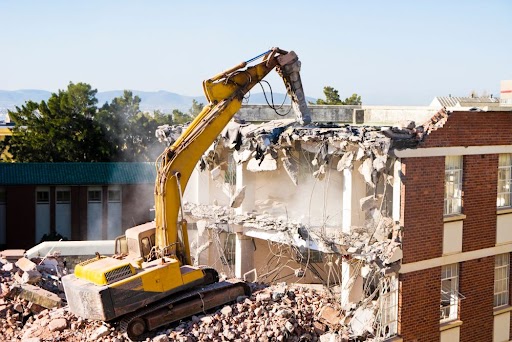
Industrial demolition is the process of dismantling, deconstructing, or removing industrial facilities, structures, and equipment. Unlike residential or commercial demolition, industrial projects often involve complex infrastructure, hazardous materials, heavy machinery, and large-scale engineering considerations.
Common industrial demolition projects include:
- Manufacturing plants
- Power stations
- Warehouses
- Oil and gas facilities
- Chemical processing plants
- Steel mills
- Water treatment facilities
- Mining infrastructure
The goal is not simply to tear down a structure but to do so safely while minimising environmental impact and maximising material recovery.
Why Professional Industrial Demolition Services Matter
Industrial sites present unique risks that require specialised knowledge and equipment. Attempting to manage a project without experienced professionals can lead to safety hazards, regulatory violations, and costly delays.
Reliable industrial demolition services typically include:
- Site assessments and planning
- Hazard identification and risk management
- Asbestos and hazardous material removal
- Structural dismantling
- Machinery decommissioning
- Waste management and recycling
- Site clearance and preparation
Professional demolition teams follow strict industry regulations and develop detailed project plans to ensure work is completed safely and efficiently.
According to guidance from the Occupational Safety and Health Administration (OSHA), demolition activities require comprehensive engineering surveys and hazard assessments before work begins. This highlights the importance of engaging qualified experts from the start.
The Industrial Demolition Process
Every project is unique, but most follow a structured approach to ensure safety and efficiency.
1. Site Evaluation
Before any demolition begins, specialists conduct a detailed assessment of the facility. This includes:
- Structural analysis
- Utility mapping
- Environmental inspections
- Hazardous material identification
- Equipment inventory
The findings help create a demolition strategy tailored to the site’s specific requirements.
2. Planning and Permits
Demolition projects often require multiple permits and regulatory approvals. During this phase, contractors develop:
- Safety plans
- Environmental management plans
- Waste disposal strategies
- Traffic and access management procedures
Careful planning helps reduce disruptions and ensures compliance with local regulations.
3. Decommissioning and Asset Recovery
Many industrial facilities contain valuable equipment and materials that can be reused or sold.
This stage may involve:
- Disconnecting utilities
- Removing machinery
- Salvaging metals
- Recovering reusable components
Asset recovery can significantly offset demolition costs while supporting sustainability initiatives.
4. Structure Removal
The demolition phase may involve various techniques depending on the building’s size, condition, and location.
Common methods include:
- Mechanical demolition
- Controlled dismantling
- High-reach demolition
- Selective demolition
- Explosive demolition for specific large-scale projects
The chosen method prioritises safety, efficiency, and environmental protection.
5. Site Remediation and Clearance
Following demolition, the site is cleared of debris and prepared for future development. Materials are sorted for recycling whenever possible, reducing landfill waste and supporting sustainable construction practices.
Choosing the Right Industrial Demolition Contractors
Selecting experienced industrial demolition contractors is one of the most important decisions in any project.
When evaluating contractors, consider the following:
Industry Experience
Look for companies with a proven track record in industrial environments similar to your facility.
Safety Performance
Ask about:
- Safety certifications
- Training programmes
- Incident history
- Compliance procedures
A strong safety culture should be a top priority.
Environmental Responsibility
Responsible contractors prioritise recycling and waste reduction. Many demolition materials, including steel, copper, and concrete, can be recycled rather than sent to landfill.
Equipment and Resources
Industrial projects require specialised machinery and skilled operators. Ensure the contractor has the resources needed to complete the work efficiently.
Project Management Capabilities
Large-scale demolition projects involve multiple stakeholders, schedules, and compliance requirements. Effective project management helps minimise delays and unexpected costs.
Understanding Industrial Dismantling Services
Not every project requires complete demolition. In some situations, facilities need selective removal of equipment, production lines, or specific structures.
This is where industrial dismantling services play an important role.
Industrial dismantling focuses on carefully disassembling assets while preserving their value for relocation, resale, or reuse.
Common applications include:
- Manufacturing equipment relocation
- Plant upgrades
- Facility expansions
- Machinery resale projects
- Partial site redevelopment
Dismantling often requires greater precision than traditional demolition and can provide significant financial benefits through asset recovery.
Environmental and Safety Considerations
Modern industrial demolition places a strong emphasis on sustainability and worker safety.
Key environmental practices include:
- Recycling scrap metal
- Reusing construction materials
- Dust suppression measures
- Hazardous waste management
- Soil and groundwater protection
Safety remains equally important. Industrial sites frequently contain:
- Elevated work areas
- Heavy machinery
- Confined spaces
- Electrical systems
- Hazardous substances
Professional demolition teams implement comprehensive risk management procedures to protect workers, neighbouring properties, and the public.
Conclusion
Industrial facilities require specialised approaches when they reach the end of their lifecycle. Successful industrial demolition projects depend on careful planning, rigorous safety standards, environmental responsibility, and experienced professionals.
Whether you require complete site clearance, machinery removal, or specialised industrial dismantling services, working with qualified industrial demolition contractors ensures the project is completed safely, efficiently, and in compliance with industry regulations.
By choosing experienced providers of industrial demolition services, property owners can minimise risks, maximise asset recovery, and prepare their sites for future development with confidence.