How to Choose the Right Security Systems for Your Property

Ever wondered if your property is as secure as it should be? Have you thought about what might happen if an intruder targeted your home or business? Or perhaps you’ve been putting off upgrading your security because the options seem overwhelming?
You’re certainly not alone. With property crime affecting thousands of Australians each year, protecting your home or business has never been more critical. The good news is that security technology has come a long way, offering more accessible and effective options than ever before. From smart cameras you can monitor on your phone to sophisticated access control systems, there’s genuinely something for every property and budget.
This guide will walk you through everything you need to know about selecting the right security system for your specific needs. We’ll explore the different types of systems available, break down the essential features to look for, and help you understand the costs involved. Plus, we’ll cover how to choose a reliable security provider and make sure that your investment stays relevant for years to come. Whether you’re securing a family home in suburban Melbourne or a commercial warehouse in Brisbane, you’ll find practical advice to help you make an informed decision.
Understanding Your Property’s Security Needs
Assessing Your Current Vulnerabilities
Before diving into product comparisons, take a step back and evaluate your property’s current weak points. Walk around your home or business and think like an intruder would. Where are the easy access points? Which areas lack visibility or lighting?
Residential and commercial properties have distinctly different security requirements. A family home typically needs protection against opportunistic burglars, while a business might face risks ranging from break-ins to internal theft or vandalism. Commercial premises often require more sophisticated systems that can handle multiple entry points, employee access management, and valuable inventory protection.
Intruders commonly target ground-floor windows, back doors, and garage entries. They look for properties with poor lighting, overgrown bushes that provide cover, and visible signs that nobody’s home. Understanding these patterns helps you identify exactly where your security efforts should focus first.
What Are the Different Types of Security Systems Available?
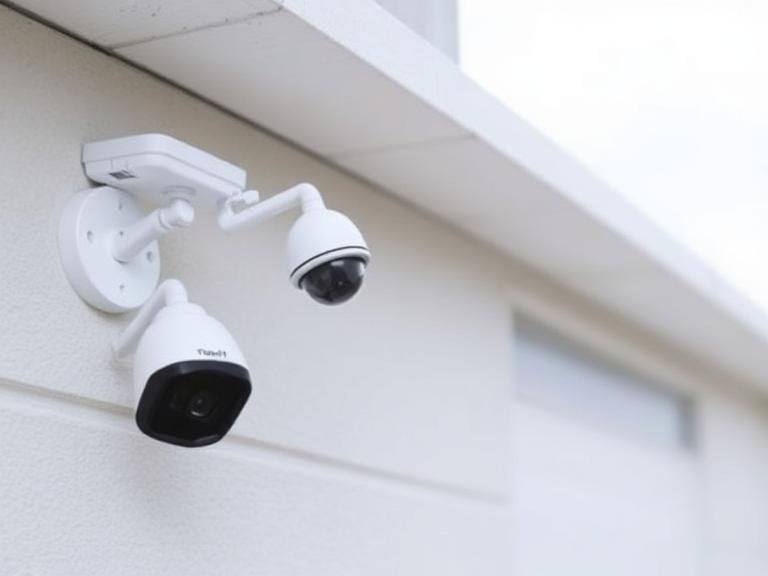
The market offers several categories of security solutions, each serving different purposes. CCTV and surveillance cameras remain the backbone of most security setups, providing both deterrent value and crucial evidence if something goes wrong. Modern cameras offer high-definition footage, night vision, and remote viewing capabilities.
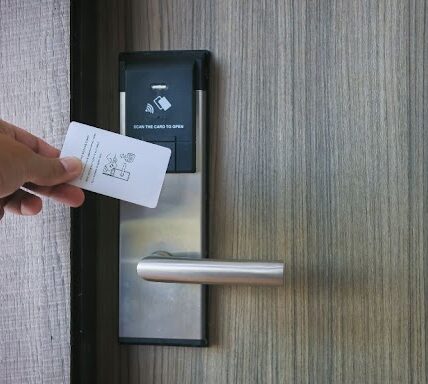
Alarm systems paired with monitoring services provide active protection. When triggered, these systems can alert you, your neighbours, or a professional monitoring centre that can dispatch emergency services. Access control systems manage who enters your property and when—particularly valuable for businesses with multiple employees or restricted areas.
Smart home security integration has transformed how we protect our properties. These systems connect to your smartphone, allowing you to arm alarms, view camera feeds, lock doors, and receive instant alerts from anywhere in the world. The convenience factor alone makes this technology incredibly appealing for busy homeowners and business operators.
Key Features to Look for in a Security System
How Do I Know Which Security System Is Best for My Home?
Selecting the right system depends entirely on your specific circumstances. For residential properties, focus on motion-activated cameras, door and window sensors, and a reliable alarm with smartphone connectivity. Night vision capabilities are essential, as most break-ins occur after dark.
Commercial premises typically need more comprehensive coverage. Consider systems with multiple camera angles, vehicle recognition, perimeter sensors, and integration with fire and safety systems. Employee access cards or biometric entry systems add another layer of protection while creating an audit trail of who enters and exits.
Regardless of property type, look for systems with battery backup, tamper detection, and clear audio capabilities. Cloud storage for footage provides peace of mind—even if thieves steal your recording equipment, the evidence remains safely stored off-site.
Wired vs Wireless Security Systems: Which Should You Choose?
Both options have distinct advantages. Wired systems offer reliability and consistent performance without worrying about battery life or signal interference. They’re ideal for new builds where cables can be installed during construction, or for commercial properties requiring rock-solid dependability.
Wireless systems provide flexibility and easier installation. They’re perfect for renters, heritage buildings, or anyone who wants to avoid drilling holes and running cables through walls. Modern wireless technology has largely overcome early reliability concerns, making these systems viable for most applications.
For Australian homes and businesses, wireless systems often prove more practical, especially given our love of renovation and property improvements. That said, high-security commercial installations might still benefit from the reliability of hardwired connections, particularly in environments with potential signal interference.
Budget Considerations and Value for Money
How Much Does a Home Security System Cost?
Security system costs vary dramatically based on complexity and quality. Basic DIY kits start from around $200-500, while professionally installed comprehensive systems can run into thousands of dollars. Installation costs for wired systems typically exceed wireless alternatives due to labour requirements.
Ongoing costs matter too. Monitoring services generally range from $30-80 monthly, depending on response levels and features included. Some systems require subscription fees for cloud storage or advanced app features—factor these into your long-term budget calculations.
Finding affordable security without compromising safety is achievable. Prioritise protecting main entry points first, then expand your system over time. Many providers offer payment plans, making professional-grade security accessible to more households and businesses.
Are Professionally Monitored Security Systems Worth It?
Professional monitoring provides 24/7 protection even when you can’t respond personally. If an alarm triggers while you’re overseas, in a meeting, or simply asleep, trained operators assess the situation and coordinate emergency response if needed.
For families with valuable assets, elderly residents, or businesses holding inventory, professional monitoring delivers genuine peace of mind. The monthly cost becomes worthwhile when you consider the potential losses—both financial and emotional—that a successful break-in could cause.
However, self-monitoring through smartphone apps works perfectly well for some people. If you’re typically available to respond to alerts and your property presents lower risk factors, this approach saves money while still providing solid protection.
Choosing the Right Security Provider
What to Look for in a Security Company
Licensing and accreditation matter enormously in the security industry. In Australia, security installers must hold appropriate state-based licences. Verify credentials before signing anything—legitimate companies happily provide this information.
Ask potential providers about their experience with properties similar to yours. Request references and check online reviews. Question them about response times, warranty coverage, and what happens if equipment fails. A trustworthy company answers these questions confidently and transparently.
Understand contract terms thoroughly. Some providers lock you into lengthy agreements with hefty exit fees. Others offer flexible month-to-month monitoring arrangements. Compare these details alongside system features and pricing to find the best overall value.
Can I Install a Security System Myself or Do I Need a Professional?
DIY installation suits tech-savvy property owners who enjoy hands-on projects. Many modern systems are designed specifically for self-installation, with straightforward instructions and helpful customer support. You’ll save on installation costs while learning exactly how your system operates.
Professional installation makes sense for complex setups, particularly wired systems or those covering large commercial properties. Trained installers position cameras optimally, confirm all sensors function correctly, and often provide better warranty coverage. They’ll also identify security gaps you might overlook.
Consider your technical confidence, property complexity, and time availability when deciding. There’s no shame in calling professionals—proper installation directly impacts how well your system protects you.
Future-Proofing Your Security Investment
Security technology continues advancing rapidly. When choosing a system, consider scalability—can you add cameras or sensors later without replacing everything? Systems with modular designs and regular software updates stay relevant longer.
Look for providers committed to integrating new technology over time. Features like artificial intelligence detection, facial recognition, and smart home compatibility are becoming standard. Investing in a platform that embraces these developments protects your investment for years ahead.
Don’t forget about physical infrastructure. Adequate internet bandwidth supports camera streaming and cloud backups. Proper power supply locations accommodate future expansions. Planning ahead saves money and hassle down the track.
Taking the Next Steps to Protect Your Property
Choosing the right security system involves understanding your vulnerabilities, matching features to your needs, balancing budget with effectiveness, and selecting a trustworthy provider. Whether you’re safeguarding your family home or protecting your business assets, the effort you invest in research pays dividends in peace of mind.
Start by assessing your property today. Walk through each area, note the weak points, and consider what level of protection feels right for your circumstances. Then reach out to reputable local providers offering security systems in Gippsland for quotes and recommendations tailored to your specific needs.
Your property deserves protection that works reliably and fits your lifestyle. With the information you’ve gathered here, you’re well-equipped to make a confident decision. Don’t wait until something goes wrong—take action now and enjoy the reassurance that comes from knowing your property is properly secured.