A Comprehensive Guide to Termite Inspections

Why Termite Control Matters in Australia
Australia’s climate, ranging from humid coastal areas to dry inland regions, creates an ideal environment for termites. These tiny insects can cause damage that runs into thousands of dollars if left unchecked. Effective termite control protects not only the structural integrity of homes but also the health of families, as damaged timber can lead to mould and unsafe living conditions. By understanding the local threat, homeowners can make informed decisions and keep their properties safe.
Understanding Australian Termite Species
Common Types
- Dry wood termites– found in most states, they live inside the wood they consume.
- Subterranean termites– the most damaging species, they build mud tubes from soil to wood.
- Carpenter ants (often confused with termites)– not true termites but can indicate moisture problems.
Behaviour and Risks
Dry wood termites tend to stay within the timber, making them harder to detect without a thorough inspection. Subterranean termites, on the other hand, travel through soil and can reach any part of a building that contacts the ground. Both species are attracted to moisture, so areas with poor drainage, leaky gutters, or high humidity become hotspots for infestation. Recognising these patterns helps focus termite control efforts where they are needed most.
Legal Requirements and Regulations
National and State Guidelines
- Australian Standard AS 3660.1 outlines the requirements for termite management in new construction.
- Each state has its own building code amendments – for example, the Queensland Building and Construction Commission (QBCC) mandates termite management plans for most residential projects.
- In Victoria, the Building Act 1993 requires a termite inspection report before a property can be sold.
Building Codes and Inspection Obligations
When buying or selling a home, a certified termite inspection is often a legal prerequisite. Lenders may also require a termite inspection report before approving a mortgage. For rental properties, landlords must ensure that the dwelling is free from active termite colonies and that regular termite control measures are in place. Failure to comply can result in fines, costly repairs, or disputes in property transactions.
Choosing the Right Termite Control Provider
What to Look For
- Licensing and accreditation – look for providers registered with the Australian Pesticides and Veterinary Medicines Authority (APVMA).
- Experience with local species – a company that knows the behaviour of Australian dry wood and subterranean termites will deliver better results.
- Transparent service contracts – clear terms on treatment frequency, monitoring, and warranty periods.
- Customer reviews and references – local feedback often highlights reliability and after care support.
Local Market Overview
Across the country, a mix of national chains and independent specialists compete for termite control contracts. In Sydney and Melbourne, larger firms often offer integrated pest management (IPM) packages, while regional towns may rely on family run businesses that provide personalised service. Understanding the competitive landscape helps homeowners choose a provider that balances cost, expertise, and local knowledge.
Effective Termite Control Methods
Physical Barriers
Physical barriers, such as stainless steel mesh or sand and, are installed during construction to block termite access. These methods are popular in new builds because they require no chemicals and provide long term protection when correctly installed.
Chemical Treatments
Termite control in Australia often relies on termiticides applied to the soil around a property. Liquid barrier treatments create a chemical “wall” that kills or repels termites attempting to cross. Spot treatments can also be used for localized infestations. All chemical options must be approved by the APVMA and applied by a licensed technician.
Biological and Eco Friendly Options
Increasingly, homeowners are seeking greener solutions. Biological control uses beneficial nematodes that attack termite larvae in the soil. Some providers also use low toxicity, plant based termiticides that meet Australian environmental standards. While these methods may require more frequent monitoring, they reduce chemical exposure for families and pets.
Integrated Pest Management (IPM)
IPM combines physical, chemical, and biological tactics with regular monitoring. The approach starts with a detailed inspection, followed by a tailored treatment plan and a schedule for follow up checks. IPM is endorsed by many Australian councils because it balances effectiveness with environmental responsibility.
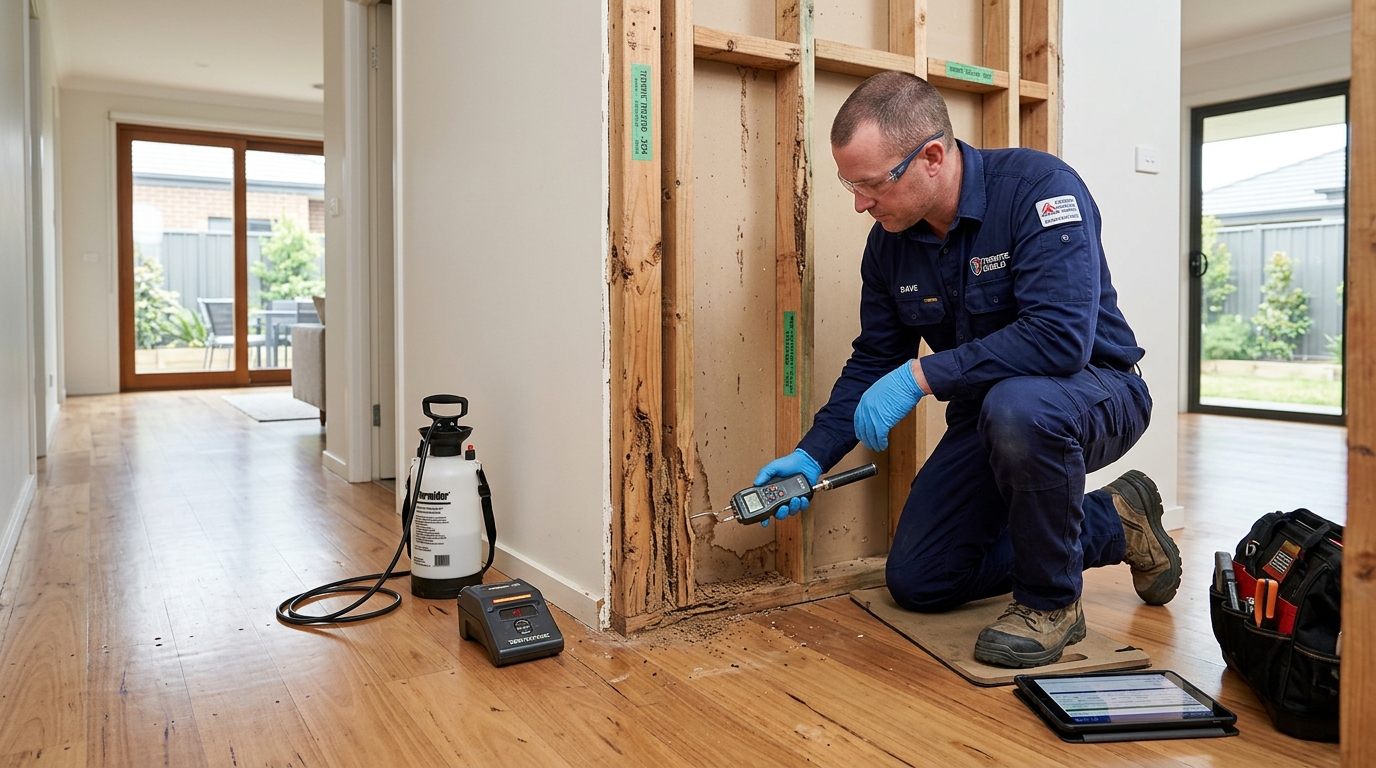
Step by Step Guide to a Home Termite Inspection
Preparation
- Clear clutter around the foundation, gutters, and downpipes.
- Ensure easy access to crawl spaces, attics, and under floorboards.
- Gather any previous termite reports or treatment records.
Inspection Process
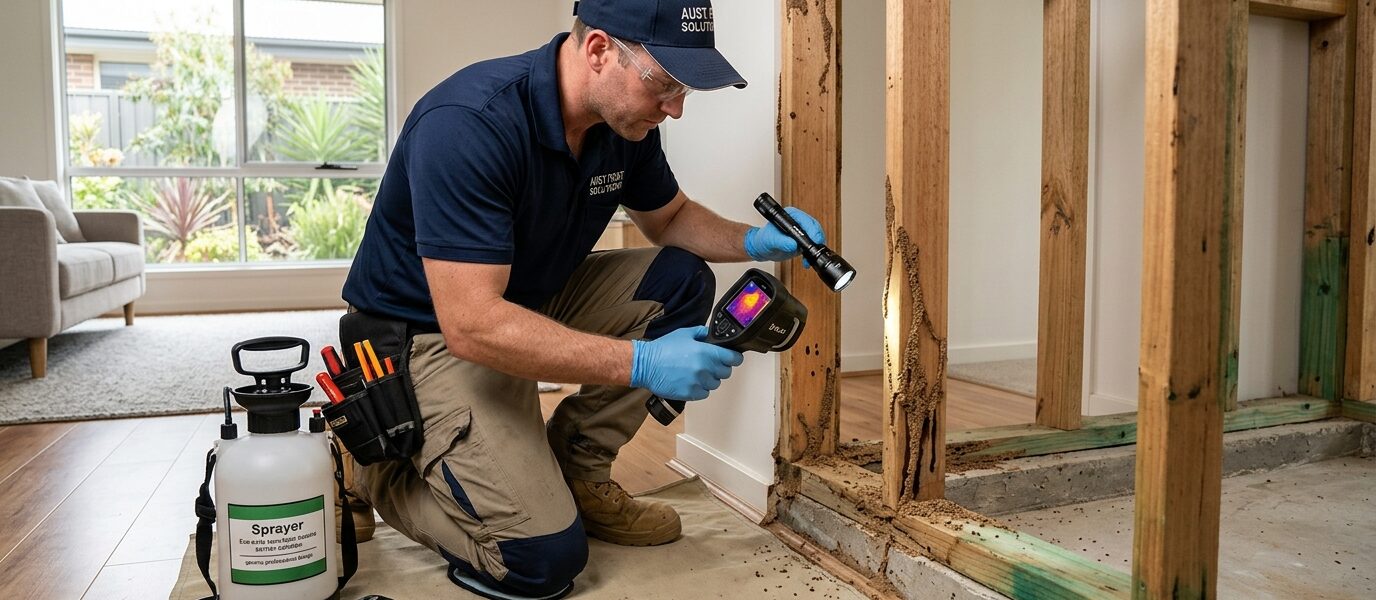
- Exterior visual check – look for mud tubes, winged insects, and damaged timber.
- Interior assessment – examine ceilings, walls, and floors for hollow sounding wood or frass (termite droppings).
- Moisture detection – use a moisture meter to identify damp spots that attract termites.
- Thermal imaging – some inspectors use infrared cameras to spot hidden colonies.
Reporting and Follow Up
After the inspection, the technician provides a written report that includes photos, identified risk areas, and recommended termite control actions. Homeowners should review the report, ask questions, and schedule any needed treatments promptly. A follow up inspection is typically recommended within 12 months to confirm that the control measures remain effective.
Maintaining Protection After Control
- Schedule annual termite inspections, especially after extreme weather events.
- Keep gutters clean and ensure proper drainage away from the foundation.
- Repair any cracks in walls, slabs, or foundations promptly.
- Use treated timber or termite resistant building materials for renovations.
- Consider installing termite monitoring stations in high risk zones.
Regular Monitoring
Many providers install discreet monitoring stations that can be checked quarterly. These stations contain bait that termites feed on; if activity is detected, a targeted termite control response can be deployed before a full scale infestation develops.
Home Maintenance Tips
Maintaining a dry environment is the single most effective way to deter termites. Ensure that water tanks are covered, fix leaking pipes, and avoid planting trees or shrubs too close to the house. Simple habits, such as turning on ventilation in damp areas, can significantly reduce the risk of termite damage.
Questions and Answers: Common Questions About termite control in Australia
Q: What is the legal requirement for termite inspections when buying a home in Queensland?
A: In Queensland, a termite inspection report is mandatory for most residential sales. The report must be prepared by a licensed termite inspector and provided to the buyer before settlement. Failure to obtain a report can delay the transaction or result in penalties.
Q: How often should I have my property inspected for termites in Melbourne?
A: Homeowners in Melbourne are advised to schedule a professional termite inspection at least once a year, especially after heavy rains. If you have a history of termite activity, a six month interval may be prudent.
Q: Are there any eco friendly termite control options that work in Sydney’s humid climate?
A: Yes, Sydney residents can use biological controls such as nematodes, as well as low toxicity, plant based termiticides. These methods are effective when combined with physical barriers and regular monitoring, and they meet the state’s environmental regulations.
Q: What should I look for when choosing a termite control provider in Perth?
A: Choose a provider that holds a current APVMA licence, has experience with Western Australian termite species, and offers a clear warranty on their work. Local references and transparent pricing are also important factors.
Q: Can I perform termite control myself, or is a professional required?
A: While DIY kits are available, most Australian regulations require a licensed professional for chemical treatments and for any work that affects a building’s compliance with the Australian Standard AS 3660.1. Professional inspections also ensure that hidden colonies are not missed.
Conclusion: Your Path to a Successful termite control in Australia
Effective termite control starts with knowledge of the local species, the legal framework, and the best treatment options. By following a structured inspection process, selecting a qualified provider, and maintaining a dry, well ventilated home, Australian homeowners can protect their property from costly damage. Regular monitoring and adherence to state regulations keep the risk low and give peace of mind. Take the next step today: schedule a professional termite inspection, review your current protection plan, and invest in long term termite control that suits your home and your budget.