
Upgrade Your Access Control with Salto Key Card Systems

Have you ever fumbled through a jangling bunch of keys, desperately searching for the right one while a queue forms behind you? Or perhaps you’ve experienced that sinking feeling when an employee leaves and you realise, they never returned their master key? What if there was a smarter, more secure way to manage who comes and goes from your building?
For Australian businesses, security isn’t just about locking doors anymore. It’s about having complete control over access, tracking movement in real-time, and adapting quickly when circumstances change. Traditional lock-and-key systems simply can’t keep pace with modern security demands. That’s where Salto key card systems come into play, offering a sophisticated yet user-friendly approach to access control.
In this guide, we’ll explore everything you need to know about Salto key card systems. From understanding how the technology works to weighing up costs and installation requirements, you’ll discover why countless Australian businesses are making the switch. Whether you manage a bustling corporate office, a hotel, or a residential complex, you’ll find practical insights to help you make an informed decision about upgrading your access control.
What Is a Salto Key Card System?
How Salto Technology Works
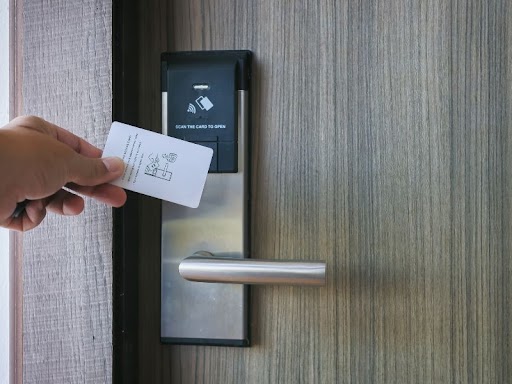
Salto key card systems use advanced wireless technology to control access throughout your building. Instead of mechanical locks, these systems rely on electronic credentials stored on smart cards or fobs. When someone presents their card to a reader, the system instantly verifies their permissions and either grants or denies access.
What makes Salto particularly clever is its data-on-card technology. Access rights are stored directly on the card itself, which means doors don’t need constant network connections. The system updates permissions whenever a user passes a designated update point, keeping everything synchronised without complicated wiring.
Key Components of a Salto Access Control System
A typical Salto setup includes electronic locks, card readers, smart cards, and management software. The locks replace or work alongside your existing door hardware. Meanwhile, the cloud-based software lets administrators manage everything from a central dashboard. It’s a complete ecosystem designed to work seamlessly together.
Why Are Businesses Switching from Traditional Locks to Key Card Systems?
The Limitations of Mechanical Keys
Let’s be honest traditional keys are a headache. They get lost, copied without authorisation, and passed around between staff members. When an employee leaves, you’ve got no guarantee they won’t keep a copy. Plus, rekeying an entire building costs a fortune and disrupts everyone’s day.
Mechanical locks also offer zero visibility. You’ve no idea who accessed which door and when. This lack of accountability creates security blind spots that can prove costly.
How Key Card Systems Solve Common Security Challenges
Key card systems eliminate these frustrations entirely. Lost a card? Deactivate it instantly from your computer. Staff member leaving? Remove their access with a few clicks. No locksmiths, no rekeying, no stress.
Beyond convenience, you gain complete visibility over access patterns. The system logs every entry, creating an audit trail that’s invaluable for security investigations or compliance requirements. You can even set time-based restrictions, so cleaners only access the building during their scheduled hours.
Key Benefits of Salto Key Card Systems
Enhanced Security and Real-Time Monitoring
Salto systems provide security that mechanical locks simply cannot match. Real-time monitoring means you know exactly who’s in your building at any moment. Receive instant alerts for unusual activity, failed access attempts, or doors left ajar. This level of oversight transforms your security from reactive to proactive.
Flexible Access Management for Multiple Users
Managing access for dozens or hundreds of users becomes remarkably straightforward. Create custom access levels for different departments, contractors, or visitors. Need to grant temporary access for a week-long project? Done in seconds. This flexibility scales effortlessly as your organisation grows.
Cost Savings Over Time
While the upfront investment exceeds traditional locks, the long-term savings are substantial. You’ll never pay for rekeying again. Administrative time spent managing keys drops dramatically. Plus, reduced security incidents mean fewer costly break-ins or internal theft situations.
Seamless Integration with Existing Building Systems
Salto systems play nicely with other building management technologies. Integrate with your CCTV, fire alarms, lift controls, and HR software for a unified approach. This connectivity creates efficiencies across your entire operation, not just at your doors.
How Much Does a Salto Key Card System Cost in Australia?
Factors That Influence Pricing
Costs vary considerably depending on your specific requirements. The number of doors, type of locks (wall readers versus integrated handles), and software licensing all affect pricing. A small office with five doors will obviously cost less than a multi-storey corporate building.
Expect to budget between $500 and $1,500 per door for hardware, plus installation and software costs. Cloud-based management platforms typically involve ongoing subscription fees, while on-premises solutions require larger upfront investments.
Comparing Salto to Other Access Control Brands
Salto sits in the mid-to-premium market segment. Compared to budget alternatives, you’re paying for superior build quality, reliable technology, and excellent support. Against other premium brands like ASSA ABLOY or Allegion, Salto often provides better value, particularly for wireless installations where cabling costs would otherwise escalate.
Are Salto Key Cards Easy to Install and Use?
Installation Process: What to Expect
Installation complexity depends on your building and chosen system. Wireless Salto locks are considerably simpler to install than wired alternatives, often requiring no modifications to door frames. Most professional installers complete small-to-medium projects within a few days.
Your installer will configure the software, program initial cards, and train your team on system operation. Expect some minor disruption, but nothing compared to a full security system overhaul.
User Experience and Day-to-Day Operation
For end users, Salto systems are beautifully intuitive. Present your card, hear a click, enter. That’s it. No training required for basic access. Administrators find the software equally approachable, with clean interfaces that don’t require IT expertise to navigate.
Which Industries Benefit Most from Salto Key Card Systems?
Commercial Offices and Corporate Buildings
Office environments love Salto for managing multiple tenant access, after-hours entry, and meeting room bookings. The system handles complex access hierarchies with ease.
Hotels and Hospitality
Guest experience improves dramatically when check-in means receiving a pre-programmed key card. Staff access can be restricted to relevant areas only, improving security throughout the property.
Educational Institutions
Schools and universities manage thousands of students, staff, and visitors. Salto systems handle this scale while maintaining strict security around sensitive areas like server rooms or laboratories.
Healthcare Facilities
Patient safety and medication security demand robust access control. Healthcare facilities benefit from detailed audit trails and the ability to restrict access to authorised personnel only.
Residential Apartment Complexes
Apartment buildings gain professional-grade security without the complexity. Residents appreciate the convenience, while property managers value the remote management capabilities.
Can Salto Key Cards Be Hacked or Cloned?
Built-In Security Features
Salto takes security seriously. Their cards use encrypted communication protocols that resist cloning attempts. Each card contains unique identifiers that cannot be duplicated using standard equipment. The system also detects and flags suspicious activity patterns automatically.
Best Practices for Maintaining System Security
Keep your software updated, regularly audit access permissions, and promptly deactivate lost cards. Train staff to report suspicious activity and never share cards between users. These simple practices dramatically reduce security risks.
How Do You Program and Manage Salto Key Cards?
Adding and Removing Users
The management software makes user administration straightforward. Add new users by entering their details and assigning appropriate access levels. Cards are programmed using a desktop encoder in seconds. Removing users is equally simple deactivate their credentials immediately from anywhere with internet access.
Setting Access Schedules and Permissions
Create granular access rules based on time, date, and location. Perhaps finance staff need server room access during business hours only. Maybe cleaners require building-wide access but only between 6pm and 10pm. The system handles these scenarios effortlessly.
Salto Key Card Systems vs Competitors: Which Is Right for You?
Choosing between access control brands requires weighing your priorities. Salto excels in wireless flexibility, ease of use, and aesthetic design. Competitors might offer advantages in specific areas perhaps deeper integration with particular building systems or lower entry-level pricing. Consider your must-have features, budget constraints, and long-term scalability when deciding.
Choosing the Right Salto System for Your Property
Salto offers multiple product lines suited to different applications. Their XS4 range covers most commercial requirements, while Neo suits residential and smaller installations. Consult with an authorised Salto partner who can assess your property and recommend the optimal configuration.
Is It Time to Upgrade Your Access Control?
Modern access control isn’t a luxury anymore it’s a necessity for any Australian business serious about security. Salto key card systems offer the perfect balance of sophisticated technology and everyday usability. From enhanced security monitoring to significant long-term cost savings, the benefits speak for themselves.
Making the switch requires investment, certainly. But when you consider the ongoing costs of traditional systems rekeying, security vulnerabilities, administrative burden the numbers quickly favour electronic access control. Add in the peace of mind from knowing exactly who’s accessing your building, and the decision becomes clearer still.
If you’re ready to explore upgrading your access control, start by consulting with a certified Salto installer in your area. They’ll assess your specific requirements and provide tailored recommendations. Your future self the one not searching through a massive keyring will thank you for it.