
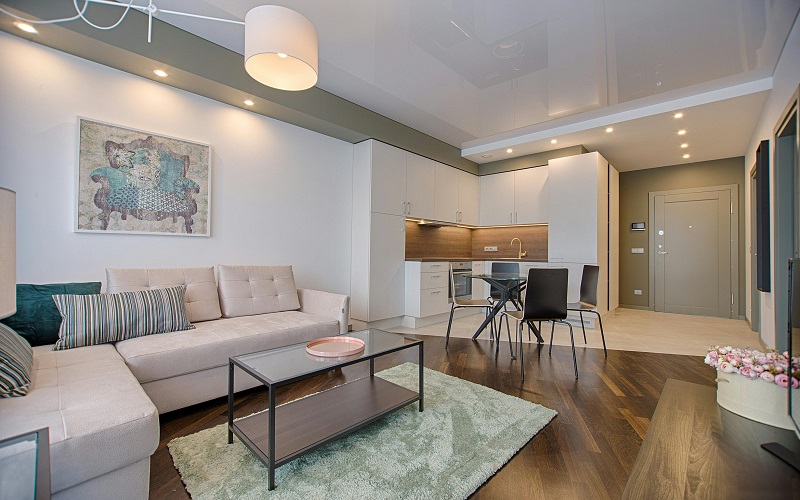
How to Make Bedrooms and Living Room Feel Cohesive

Creating a home environment requires making design decisions that establish both visual balance and spatial harmony. The common practice of decorating every room separately leads to a frequent problem of designs that do not feel connected to each other. Your living room will achieve balance through a unified design that allows each space to express its distinct function and personality.
Perfect Oakley sofas UK establish the mood throughout the entire living room. Many people prefer these sofas as they offer elegant design with everyday comfort and easily connect to the rest of the home’s layout.
Start with a consistent design vision
The selection of high-quality furniture together with decorative elements creates an atmosphere which leads to an ambiguous design direction. Interior design achieves unity through the use of matching colour schemes, identical materials, and recurring patterns throughout its various spaces. The shared design elements between the living room and bedroom create a cohesive atmosphere which feels natural because they used consistent furniture design elements. The design vision establishes spatial consistency throughout the space, although it allows individual rooms to display their unique design elements, which connect with the overall home environment.
Use a unified colour palette
The combination of colour design elements serves as a strong mechanism which unites different spaces in a house. The use of soft beige, warm grey, cream, and muted earth colours as neutral tones creates a calming backdrop. The colours can be used on walls, upholstery and decorative accents that decorate the entire home.
The base palette establishes the foundation, which permits small variations through the use of cushions, rugs and artwork. The method creates visual uniformity across the space yet prevents the area from looking identical throughout.
Choosing the same material and elements
The design approach uses repeated materials and matching textures to establish connections between different spaces. The living room of the house displays matching textures to the bedroom, which uses soft upholstery for its furniture.
Wood finishes and metallic accents display their presence throughout multiple rooms to establish a common design style. The home achieves its design appeal through these minor details that feel thoughtfully designed rather than assembled piece by piece.
Texture layering is useful to create peaceful spaces, which also maintains visual harmony throughout the years.
Balance comfort in both spaces
The bedroom and living room serve different functions, yet both should prioritise comfort. The bedroom focuses on rest, while the living room supports social interaction and everyday activities.
The selection of comfortable seating enables the living room to maintain the same welcoming atmosphere that the bedroom provides. The use of a single sofa design helps in creating informal destination areas, which promote comfortable seating in living rooms.
The place feels warm and welcoming when both rooms provide their main goal, which is comfort and design aesthetic.
Choose furniture collections that complement each other
The design of furniture collections which share an aesthetic will enable better visual consistency throughout different rooms of a space. Modern upholstered beds create a perfect match with sofas and chairs that use the same stitching, fabric, and silhouette patterns.
M&H Living provides furniture collections which showcase elegant design and uniform craftsmanship throughout their products. The design philosophy behind each piece allows different designs to work together as matching components, which create various looks for different spaces.
The homeowners can achieve diverse home designs because their design choices allow them to create different looks while maintaining overall design unity.
Use lighting to connect the space
Lightning plays an important role in how the room feels over time. The bedroom and living room feel more united through the use of soft, layered lighting, which best enhances the sense of warmth and cohesion.
The spaces connect through table lamps, floor lamps and wall lights with similar finishes or shapes. The home space functions better with warm lighting because it establishes a comfortable atmosphere suitable in both social and private areas of the home.
The visual appeal of different rooms improves when the lighting style becomes more natural and visually pleasing.
Add decorative details
The use of small decorative elements enables you to establish a unified interior design theme. The various elements of cushions, rugs, artwork, and decorative trays enable the creation of a unified colour scheme throughout multiple spaces.
The living room textured throw matches the bedding colour tones, which exist in the bedroom. The artwork with complementary shades creates a visual link between different areas of the space.
The complete home design receives support from these minor elements, which operate as design connectors throughout the space.
Final thoughts
The design process for unifying bedrooms and living rooms is to develop a cohesive design solution which creates visual harmony between these two spaces. Through their choice of shared colour palettes, texture patterns, and furniture which matches their different areas, homeowners establish a smooth home balance which extends through their entire residence. The entire house creates a single space where people can enjoy both comfort and visual appeal without the need for a separate room. The design of every space leads to a home which combines sophisticated style with a warm and inviting atmosphere.