
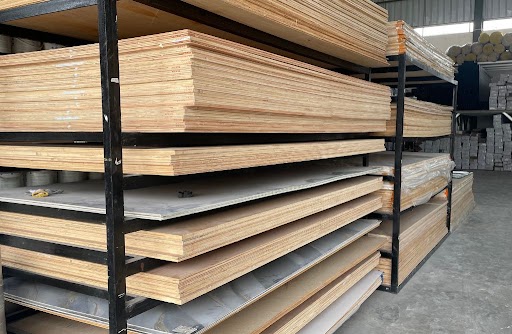
How to Choose the Best Building Supplies Melbourne for Long-Lasting Results

Have you ever started a building project only to realise halfway through that your materials aren’t up to scratch? Perhaps you’ve wondered why some homes stand strong for decades while others show wear within just a few years? Or maybe you’re simply asking yourself where to even begin when faced with the overwhelming choice of building supplies available across Melbourne?
Choosing the right building supplies isn’t just about ticking boxes on a shopping list. It’s about making smart decisions that affect the durability, safety, and overall value of your project. Whether you’re building a new home, renovating a bathroom, or tackling a commercial development, the materials you select will determine how well your structure performs over time. Melbourne’s unique climate adds another layer of complexity, making it essential to choose supplies that can handle everything from scorching summer days to chilly, damp winters.
In this guide, we’ll walk you through everything you need to know about selecting building supplies in Melbourne. You’ll discover how to assess quality, understand which materials suit our local weather, and learn where to find the best value for your budget. We’ll also explore common mistakes to avoid and share tips for working effectively with suppliers. By the end, you’ll feel confident making informed choices that lead to long-lasting results.
Understanding Your Building Supply Needs
Residential vs. Commercial Projects: What’s the Difference?
Before you start shopping, it’s crucial to understand the nature of your project. Residential and commercial builds have distinctly different requirements. Home construction typically focuses on comfort, aesthetics, and family-friendly features. Commercial projects, on the other hand, must meet stricter regulations and often prioritise durability over design.
Commercial builds usually require materials that can withstand heavier foot traffic and more intensive use. Fire ratings, accessibility standards, and load-bearing requirements are generally more demanding. Residential projects offer more flexibility but still need to comply with the National Construction Code.
What Are the Essential Building Materials for Home Construction in Australia?
For most Australian homes, you’ll need a core set of materials. These include structural timber or steel framing, concrete for foundations, roofing materials, insulation, bricks or cladding, and various finishing products. Plumbing and electrical supplies round out the essentials.
Each category has multiple options, and what works best depends on your specific project. A coastal home might benefit from corrosion-resistant materials, while an inner-city property might focus on noise reduction. Understanding these basics helps you make better decisions down the track.
Key Factors When Choosing Building Supplies in Melbourne
Quality and Durability
How Can You Tell If Building Materials Are High Quality?
Spotting quality materials isn’t always straightforward, but there are reliable indicators. Look for products with consistent colouring, uniform dimensions, and no visible defects like cracks or warping. Reputable brands typically maintain higher manufacturing standards and offer better warranties.
Don’t hesitate to ask suppliers for product specifications and test results. Quality timber, for instance, should be properly graded and free from excessive knots or splits. Concrete products should meet compressive strength requirements, and steel should have appropriate protective coatings.
Australian Standards and Certifications to Look For
Always check that materials meet relevant Australian Standards. Look for certification marks like the AS/NZS mark, Code Mark, or Watermark for plumbing products. These certifications confirm that products have been independently tested and comply with safety requirements.
Building materials that carry these marks give you peace of mind. They’ve been rigorously assessed and meet the performance criteria specified in the Building Code of Australia.
Climate Considerations for Melbourne
Which Building Materials Are Best Suited for Melbourne’s Weather?
Melbourne’s weather is famously unpredictable you might experience four seasons in one day! This variability means your building materials need to be adaptable. Brick and concrete perform well because they handle temperature swings without significant expansion or contraction.
For roofing, consider materials with good thermal mass that can regulate indoor temperatures. Colorbond steel remains popular for its durability and heat-reflective properties. Timber should be treated to resist moisture and termites, both common concerns in Victorian conditions.
Dealing with Temperature Fluctuations and Moisture
Moisture management is critical in Melbourne. Choose materials with appropriate moisture resistance, particularly for areas prone to damp conditions. Proper insulation helps manage condensation, while adequate ventilation prevents moisture buildup in wall cavities.
Consider using sarking under roofing and weatherproof membranes behind cladding. These extra layers protect your structure from Melbourne’s occasional heavy rainfall and humidity.
Budget and Value for Money
How Much Should You Spend on Building Supplies?
Budgeting for building supplies requires balancing quality with affordability. As a general guide, materials typically account for 40-50% of total construction costs. However, this varies significantly based on your chosen finishes and specifications.
It’s wise to allocate slightly more than you think you’ll need. Unexpected expenses pop up frequently in construction, and having a buffer prevents stressful compromises later. Focus spending on structural elements and areas with high wear, like flooring and wet areas.
Cheap vs. Affordable: Knowing the Difference
There’s a crucial distinction between cheap materials and affordable ones. Cheap products often sacrifice quality, leading to premature failure and costly replacements. Affordable materials offer good value reasonable prices without compromising performance.
Think long-term when making purchasing decisions. Spending a bit more upfront on quality supplies often saves money over the building’s lifespan through reduced maintenance and longer service life.
Where to Buy Building Supplies in Melbourne
Top Building Supply Stores in Melbourne
Melbourne boasts numerous building supply options. Major retailers like Bunnings and Mitre 10 offer convenience and wide product ranges. Specialist suppliers often provide expert advice and premium products for specific applications.
Industrial areas like Dandenong, Campbellfield, and Brooklyn house numerous trade suppliers with competitive pricing. Many offer both retail and wholesale options depending on your purchase volume.
Should You Buy from Wholesalers or Retail Outlets?
Wholesalers typically offer better pricing for bulk purchases, making them ideal for larger projects. They’re particularly cost-effective for structural materials, bulk hardware, and standard building products. However, minimum order quantities may apply.
Retail outlets work well for smaller projects or when you need specific quantities. They often provide better customer service and returns policies, which can be valuable if you’re less experienced with building supplies.
Is Buying Building Materials Online Worth It?
Online purchasing has grown significantly, offering convenience and price comparison opportunities. Many suppliers now provide delivery services, making it easier than ever to order from your couch. Just be sure to verify product specifications and read reviews before committing.
However, some materials are best inspected in person. Timber, stone, and decorative finishes can vary between batches, so seeing them firsthand helps avoid disappointment.
Types of Building Supplies and What to Consider
Timber and Structural Materials
Select timber appropriate for its intended use. Structural timber must be stress-graded and suitable for load-bearing applications. Hardwoods offer superior durability for exposed areas, while treated pine works well for concealed framing.
Roofing and Insulation
Your roof is your home’s first defence against the elements. Choose roofing materials with appropriate ratings for wind, fire, and water penetration. Pair quality roofing with effective insulation to maximise energy efficiency.
Bricks, Blocks, and Concrete
These materials form your building’s backbone. Consider factors like compressive strength, thermal mass, and aesthetic appeal. Local suppliers often stock products suited to Victorian conditions and architectural styles.
Plumbing and Electrical Supplies
Always use WaterMark-certified plumbing products and electrical supplies that meet Australian Standards. Cutting corners here creates safety risks and compliance issues that aren’t worth the minimal savings.
Finishing Materials and Hardware
Finishes impact both appearance and durability. Invest in quality hardware handles, hinges, and fixtures that see daily use. These small items significantly affect how your finished project feels and functions.
Working with Suppliers
What Should You Ask a Building Supplies Company Before Purchasing?
Ask about product warranties, return policies, and technical specifications. Enquire about availability and lead times, particularly for specialty items. Request references or examples of previous projects where their materials have been used.
Delivery Options and Lead Times in Melbourne
Confirm delivery arrangements before ordering. Some suppliers offer free delivery above certain thresholds, while others charge based on distance. Lead times vary considerably standard items might arrive within days, while specialty orders could take weeks.
Common Mistakes to Avoid
Why Do Some Building Projects Fail Due to Poor Material Choices?
Many projects struggle because builders underestimate material requirements or choose inappropriate products. Failing to account for Melbourne’s climate, skipping moisture protection, or selecting materials based solely on price frequently leads to problems.
Another common error is poor planning. Ordering insufficient quantities causes delays, while excessive orders waste money. Calculate requirements carefully and add a sensible margin for contingencies.
Sustainability and Eco-Friendly Building Materials
What Are the Most Sustainable Building Materials Available in Australia?
Sustainable options are increasingly available. Recycled steel, reclaimed timber, and bamboo offer eco-friendly alternatives. Look for products with environmental certifications like Good Environmental Choice Australia or Forest Stewardship Council approval.
Consider materials with low embodied energy and those sourced locally to reduce transportation impacts. Many sustainable options also improve energy efficiency, providing ongoing environmental and financial benefits.
Final Checklist for Choosing Building Supplies in Melbourne
- Verify materials meet Australian Standards and relevant certifications
- Consider Melbourne’s climate in your selections
- Compare prices across multiple suppliers
- Check delivery options and lead times
- Confirm warranties and return policies
- Assess sustainability credentials where possible
- Seek expert advice for complex decisions
Conclusion
Choosing building supplies in Melbourne doesn’t need to feel overwhelming. By understanding your project requirements, prioritising quality over initial cost savings, and selecting materials suited to our local conditions, you’ll set yourself up for success. Remember that the decisions you make now directly impact how your building performs for years to come.
Take your time comparing options and don’t hesitate to ask suppliers plenty of questions. Good suppliers welcome informed customers and are happy to share their expertise. Whether you’re tackling a small renovation or a major construction project, the principles remain the same quality materials, thoughtful selection, and proper installation create structures that truly stand the test of time.
We hope this guide has given you the confidence to make smart choices for your next building project. Armed with this knowledge, you’re ready to source the best building supplies Melbourne has to offer. Good luck with your build we’re certain it will be a fantastic success!

