Best Apartment EV Charger: Fast, Safe and Smart EV Charging

Ever wondered how you’re supposed to charge your electric vehicle when you live in an apartment? Are you tired of relying on public charging stations that always seem to be occupied? And have you questioned whether getting a dedicated charger is even possible when you’re not living in a standalone house?
You’re certainly not alone. More Australians than ever are making the switch to electric vehicles, but apartment dwellers face unique challenges when it comes to keeping their cars charged. The good news? There are plenty of smart, safe, and fast charging solutions designed specifically for multi-dwelling buildings. Whether you own your unit or rent, options exist that can make EV ownership surprisingly convenient.
In this guide, we’ll walk you through everything you need to know about apartment EV chargers. From understanding the different charging levels to navigating strata approval, we’ve got you covered. We’ll also explore the best chargers on the market for Australian residents, break down installation costs, and give you practical tips for convincing your body corporate or landlord to get on board. By the end, you’ll have all the knowledge you need to make an informed decision about EV charging in your apartment.
What Is an Apartment EV Charger and How Does It Work?
Understanding Level 1 vs Level 2 Charging for Units and Flats
When it comes to EV charging, you’ll encounter two main options: Level 1 and Level 2 charging. Level 1 uses a standard 240V household outlet—the same type you’d plug your kettle into. It’s the slowest option, adding roughly 10-15 kilometres of range per hour of charging. For apartment dwellers who drive short distances, this might actually work just fine.
Level 2 charging, on the other hand, requires a dedicated charging unit and delivers significantly faster results. These chargers typically add 30-80 kilometres of range per hour, depending on your vehicle and charger specifications. For most apartment residents, Level 2 makes far more sense, especially if you’re commuting daily or can’t guarantee overnight charging access.
Key Features of Smart EV Chargers for Multi-Dwelling Buildings
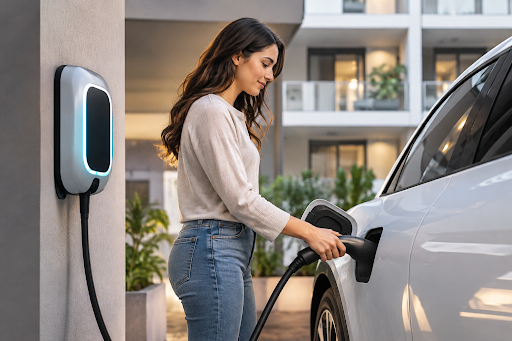
Smart chargers bring a whole new level of convenience to apartment EV charging. These units connect to Wi-Fi, allowing you to monitor and control charging sessions through a smartphone app. You can schedule charging during off-peak hours, track energy usage, and even receive notifications when your car’s ready to go.
What’s more, smart chargers designed for apartments often include load management features. This technology prevents electrical overload by automatically adjusting charging speeds when multiple vehicles charge simultaneously. It’s absolutely essential for buildings where several residents might be plugging in at once.
Can You Install an EV Charger in an Apartment Building?
Strata Approval and Body Corporate Requirements in Australia
Getting approval for EV charger installation in Australian apartment buildings involves navigating strata laws. Each state has slightly different rules, but generally, you’ll need to submit a proposal to your owners’ corporation. Some modifications require a simple majority vote, while others might need a special resolution.
Recent legislative changes in several Australian states have made this process easier. NSW, Victoria, and Queensland have all introduced reforms designed to streamline EV charger approvals. The key is presenting a well-researched proposal that addresses potential concerns upfront.
Common Challenges Renters and Owners Face
Renters face additional hurdles since they need both landlord and strata approval. Many landlords worry about installation costs and ongoing maintenance responsibilities. Owners, meanwhile, often struggle with convincing other residents who don’t own EVs to support building-wide infrastructure upgrades.
Electrical capacity is another common challenge. Older buildings may lack the electrical infrastructure to support multiple chargers without expensive upgrades. Plus, securing a dedicated parking space with charging access isn’t always straightforward in buildings with shared parking arrangements.
Best EV Chargers for Apartments: Top Picks for Australian Residents
Fast Charging Options for Busy Lifestyles
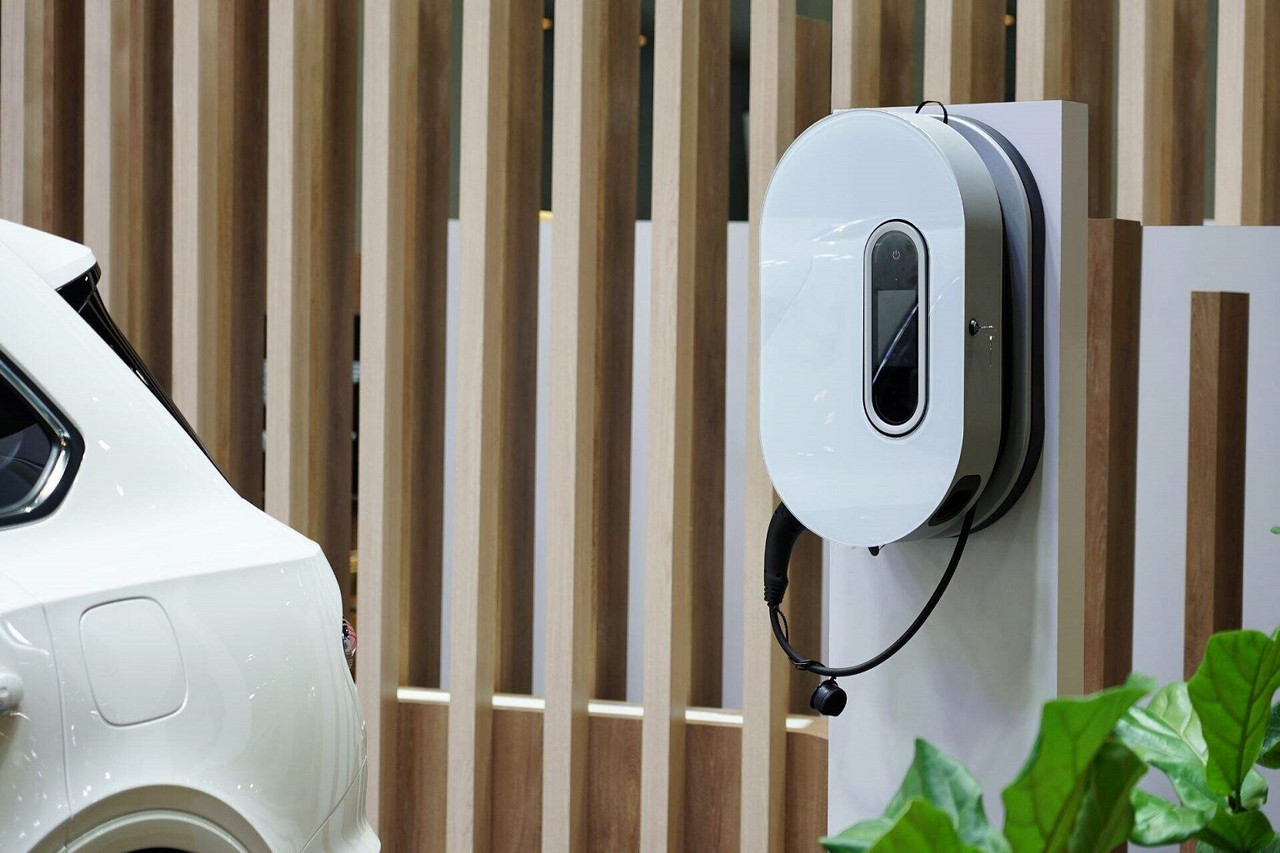
For those who need quick top-ups, look for chargers delivering at least 7kW. Popular options in Australia include the Wall box Pulsar Plus and the Tesla Wall Connector. Both offer impressive charging speeds while maintaining compact designs perfect for tight parking spaces.
The OCPP-compatible chargers are particularly worth considering. This open protocol means your charger can work with various back-end systems, giving you flexibility as charging networks evolve. You won’t be locked into a single ecosystem.
Safe and Certified Chargers for Shared Spaces
Safety should be non-negotiable when choosing an EV charger for apartment charger. Look for units carrying Australian electrical safety certifications and an IP rating of at least IP54 for weather resistance. Reputable brands like ABB, Schneider Electric, and Fronius all offer certified options suitable for shared environments.
Built-in safety features to look for include residual current protection, overcurrent protection, and earth fault detection. These features protect not just your vehicle but the entire building’s electrical system.
Smart Chargers with App Control and Load Management
Smart features make apartment charging genuinely convenient. The Zappi charger, for instance, integrates with solar systems and offers sophisticated load balancing. Meanwhile, the EV Box Elvi provides detailed usage analytics and easy billing options for shared charging setups.
Load management capabilities are particularly valuable in apartment settings. These systems make sure the building’s electrical capacity isn’t overwhelmed, even when multiple residents charge simultaneously during peak evening hours.
How Much Does It Cost to Install an EV Charger in an Apartment?
Equipment Costs vs Installation Costs
Charger units themselves typically range from $800 to $2,500 for quality Level 2 options. However, installation costs often exceed the equipment price, particularly in apartment buildings. You’re looking at anywhere from $1,500 to $5,000 or more, depending on cable runs, electrical upgrades needed, and labour rates in your area.
The distance between your parking space and the electrical supply significantly impacts installation costs. Longer cable runs require more materials and labour, pushing prices up considerably. Getting multiple quotes from licensed electricians experienced with EV installations is essential.
Who Pays for EV Charging Infrastructure in Apartment Buildings?
In most cases, individual owners cover costs for chargers serving their personal spaces. However, buildings installing shared charging infrastructure often spread costs across all owners through the strata fund. Some progressive body corporates are now including EV infrastructure in capital works planning.
Various government incentives exist across Australian states to offset installation costs. NSW, Victoria, and the ACT all offer rebates or subsidies for residential EV charger installations. These programs change frequently, so checking current offerings before proceeding is worthwhile.
Is It Worth Getting a Home EV Charger If You Live in a Flat?
Convenience and Long-Term Savings
Having your own charger eliminates the frustration of hunting for available public charging stations. You simply plug in when you arrive home and wake up to a fully charged vehicle. The convenience factor alone makes apartment charging worthwhile for many EV owners.
Cost savings add up quickly too. Home charging typically costs around $0.25-$0.30 per kilowatt-hour during off-peak periods, compared to $0.40-$0.60 at public fast chargers. Over a year, the difference amounts to hundreds of dollars.
Increasing Property Value with EV-Ready Infrastructure
Properties with EV charging capabilities are increasingly attractive to buyers. As electric vehicle adoption accelerates, having charging infrastructure already installed becomes a genuine selling point. Forward-thinking apartment owners are recognising this value-add.
Buildings that invest in EV-ready infrastructure now position themselves well for the future. Even if you don’t currently own an EV, supporting building-wide charging infrastructure can boost your property’s appeal and value.
Safety Considerations for Apartment EV Charging
Electrical Load Management in Multi-Unit Buildings
Apartment buildings have finite electrical capacity, making load management critical. Without proper systems in place, multiple chargers operating simultaneously could trip breakers or damage electrical infrastructure. Professional installation that accounts for building-wide electrical loads is non-negotiable.
Dynamic load management systems automatically adjust charging speeds based on available capacity. When building electricity demand peaks, charging slows; when demand drops, charging speeds increase. This intelligent approach maximises charging while protecting infrastructure.
Fire Safety and Compliance Standards
All EV charger installations must comply with Australian electrical standards and local building codes. Using certified equipment installed by licensed electricians makes sure your setup meets these requirements. Cutting corners on compliance isn’t worth the risk.
Regular maintenance and inspections help identify potential issues before they become serious. Check cables for damage, confirm connections remain secure, and address any warning signs promptly. Safety should always come first.
How to Convince Your Strata or Landlord to Approve EV Charging
Preparing a compelling proposal significantly increases your chances of approval. Include clear cost breakdowns, address safety concerns proactively, and highlight benefits for the broader building community. Pointing to other buildings that have successfully implemented EV charging can strengthen your case.
Consider proposing a staged approach that starts small and expands based on demand. This reduces upfront costs and demonstrates responsible planning. Offering to cover installation costs yourself may also sway reluctant decision-makers.
Conclusion: Choosing the Right EV Charger for Your Apartment
Navigating apartment EV charging might seem daunting initially, but it’s absolutely achievable with the right approach. Understanding your options, from Level 1 convenience to Level 2 speed, helps you select equipment matching your lifestyle. Smart chargers with load management features work particularly well in multi-dwelling settings, keeping everyone safe while maximising charging efficiency.
The approval process requires patience and preparation, but Australian strata laws are evolving to accommodate EV infrastructure. Whether you’re an owner or renter, presenting a well-researched proposal addressing safety, costs, and building-wide benefits gives you the best chance of success. Don’t forget to explore available government incentives that can offset installation expenses.
Ultimately, investing in apartment EV charging delivers genuine convenience and long-term savings. You’ll enjoy the freedom of charging at home while contributing to cleaner transport. Take the first step by researching chargers suited to your needs, then start the conversation with your strata or landlord. Your future self—and your EV—will thank you for it.