Playground Design for Property Developers: Creating Modern Outdoor Spaces

Have you ever wondered why some residential developments sell out within weeks while others linger on the market? What makes families choose one apartment complex over another? Could the secret be hiding in plain sight—right there in the outdoor spaces? For property developers across Australia, the answer is increasingly clear. Modern playground design has become a powerful differentiator in competitive real estate markets.
Gone are the days when a simple swing set and slide would tick the “outdoor amenities” box. Today’s buyers and tenants expect thoughtfully designed outdoor spaces that blend aesthetics, functionality, and safety into something truly special. They’re looking for places where their children can play, explore, and grow—and they’re willing to pay premium prices for them.
In this guide, we’ll explore everything you need to know about creating modern outdoor play spaces that add genuine value to your development. From understanding Australian safety standards to choosing the right equipment and working with design specialists, you’ll discover practical strategies to make your outdoor spaces a major selling point. Whether you’re developing a high-rise apartment complex in Sydney or a master-planned community in Brisbane, these insights will help you create playgrounds that families genuinely love.
Understanding the Value of Modern Outdoor Play Spaces
How Do Playgrounds Increase Property Value?
Quality playgrounds do more than look pretty—they directly impact your bottom line. Research consistently shows that well-designed outdoor amenities can increase property values by 10-20%. For multi-unit developments, this translates to significant returns on a relatively modest investment.
Think about it from a buyer’s perspective. When young families view properties, they’re not just evaluating floor plans and kitchen finishes. They’re imagining their daily lives. A vibrant, modern playground tells them this is a community designed with families in mind. It signals quality, thoughtfulness, and long-term livability.
The Role of Outdoor Spaces in Attracting Buyers and Tenants
In the rental market, playgrounds are equally powerful. Families with children represent a stable tenant demographic—they typically stay longer and take better care of properties. A great playground can be the deciding factor that keeps occupancy rates high and reduces tenant turnover costs.
What’s more, outdoor play spaces create community. They become gathering spots where neighbours meet, friendships form, and a sense of belonging develops. This social infrastructure makes your development more than just buildings—it becomes a neighbourhood people genuinely want to live in.
Key Elements of Contemporary Playground Design
What Makes a Playground Design Modern?
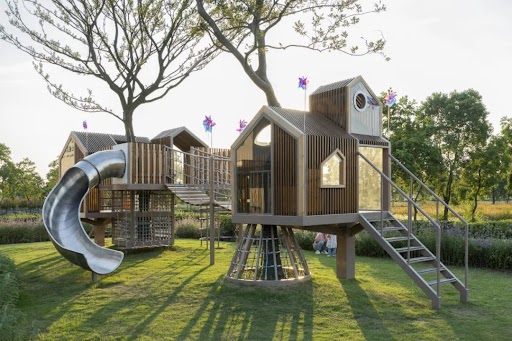
Modern playgrounds have evolved far beyond the metal structures of previous generations. Contemporary design emphasises natural materials, imaginative play opportunities, and spaces that encourage children to take calculated risks. You’ll see timber structures, rope climbing elements, and creative use of terrain rather than flat, predictable layouts.
The best modern playgrounds also consider the adults who supervise children. Comfortable seating with good sightlines, shade structures, and even nearby café-style spaces make parents feel welcome rather than merely tolerated.
Balancing Aesthetics with Functionality
Your playground needs to look stunning in marketing materials, but it also needs to work brilliantly in practice. This means choosing equipment that photographs well while delivering genuine play value. Neutral colour palettes with strategic pops of colour often work better than garish primary colours, particularly in upmarket developments.
Consider how the playground integrates with surrounding landscaping and architecture. The most successful designs feel like organic extensions of the overall development aesthetic rather than afterthoughts bolted onto leftover land.
Incorporating Natural Play Elements and Landscaping
Nature play has become increasingly popular—and for good reason. Elements like boulder climbing, log balancing, sand pits, and water play features engage children’s senses while connecting them to the natural world. These elements are often more durable and require less maintenance than traditional equipment.
Strategic planting provides shade, visual interest, and opportunities for nature exploration. Native Australian plants are particularly effective, offering drought tolerance alongside educational value about local ecosystems.
Safety Standards and Compliance in Australia
What Australian Standards Apply to Playground Equipment?
Safety isn’t optional—it’s absolutely fundamental. In Australia, playground equipment must comply with AS 4685, which covers everything from structural integrity to entrapment hazards. Getting this wrong exposes you to serious liability and potential tragedy.
Understanding AS 4685 and Surface Impact Requirements
AS 4685 specifies requirements for equipment design, installation, and fall zone surfaces. Impact-absorbing surfaces are critical beneath and around equipment. Options include rubber softfall, synthetic grass with shock pads, bark mulch, and sand—each with different cost, maintenance, and aesthetic implications.
The standard also addresses age-appropriate design, spacing requirements, and ongoing inspection protocols. Working with certified playground designers who thoroughly understand these requirements is essential.
Liability Considerations for Property Developers
As a property developer, you bear responsibility for providing safe play environments. This means not just meeting minimum standards but documenting compliance, establishing maintenance schedules, and conducting regular safety audits. Your insurance provider will want evidence of due diligence, so keep meticulous records from design through to ongoing maintenance.
Age-Appropriate Design: Catering to Different User Groups
How Do You Design a Playground for Multiple Age Groups?
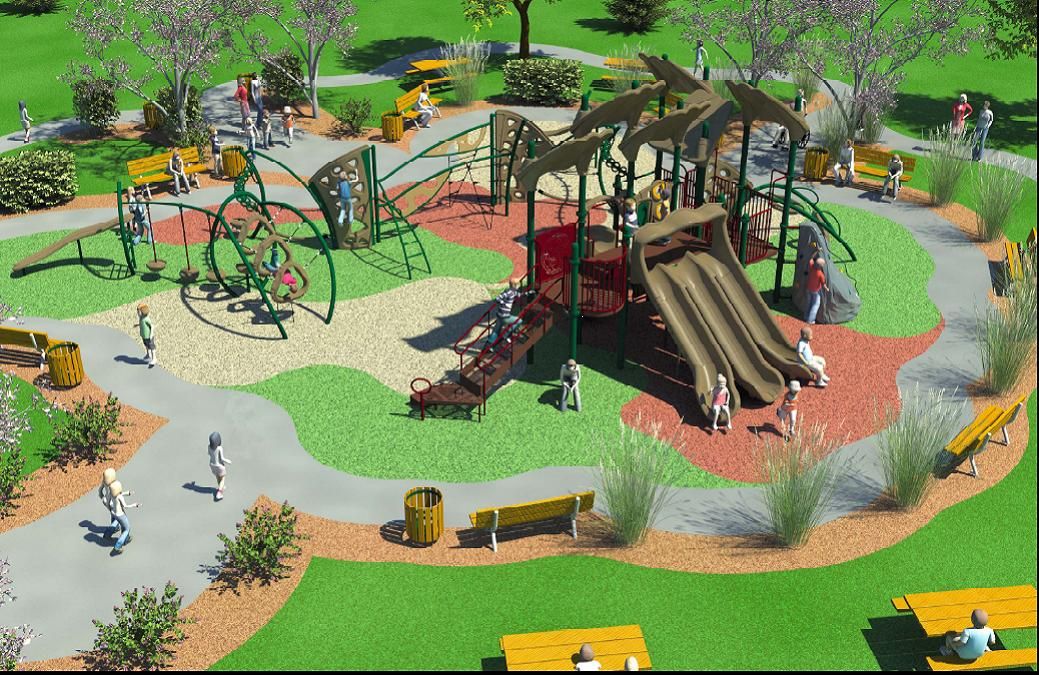
Most developments serve diverse demographics, meaning your playground needs to accommodate toddlers, primary school children, and sometimes teenagers. The key is creating distinct zones that cater to different abilities while maintaining visual cohesion.
Toddler areas typically feature low platforms, gentle slides, and sensory play elements with close parental supervision in mind. Older children need more challenging climbing structures, swings, and imaginative play opportunities. Teenagers might appreciate fitness equipment, basketball half-courts, or social gathering spaces.
Inclusive Play: Accessibility Features for All Abilities
Inclusive design isn’t just ethically important—it’s increasingly expected by buyers and may be required by planning conditions. Accessible pathways, transfer platforms, sensory play elements, and equipment that accommodates wheelchairs and mobility aids make your playground welcoming to all children.
Consider also children with autism or sensory processing differences. Quiet zones, predictable layouts, and varied sensory experiences can make playgrounds comfortable for neurodiverse children.
Choosing the Right Playground Equipment for Your Development
What Type of Playground Equipment is Most Popular?
Multi-function climbing structures consistently rank among the most popular equipment choices. They offer multiple play experiences in a compact footprint, making them ideal for developments where space is limited. Swings remain perennial favourites, while newer elements like spinning equipment and balance challenges add contemporary appeal.
Commercial-Grade vs Residential Options
Always choose commercial-grade equipment for multi-unit developments. Residential-grade equipment isn’t designed to withstand heavy use by multiple children daily and will deteriorate rapidly. Commercial equipment costs more initially but delivers far better long-term value through durability and lower maintenance requirements.
Sustainable and Eco-Friendly Material Choices
Sustainability matters to today’s buyers. Look for equipment made from recycled materials, sustainably sourced timber, or Australian-made products that minimise transport emissions. These choices align with broader environmental values while often delivering superior durability.

Working with Playground Design Specialists
How Much Does Custom Playground Design Cost in Australia?
Custom playground design typically costs between $50,000 and $500,000 or more, depending on size, complexity, and equipment choices. Budget around $800-$1,500 per square metre for quality outcomes, though this varies significantly based on location and specifications.
What to Look for When Hiring a Playground Designer
Choose designers with specific experience in your development type and demonstrated understanding of Australian standards. Review their portfolio, speak with previous clients, and verify their compliance credentials. The best designers will challenge your assumptions while respecting your budget constraints.
Budgeting and ROI: Making the Numbers Work
Cost-Effective Solutions Without Compromising Quality
Smart budgeting means prioritising where quality matters most. Invest heavily in safety-critical elements and durable equipment while finding savings in landscaping through staged planting or simpler surface treatments. Consider prefabricated modular equipment that reduces installation costs without sacrificing play value.
Maintenance Considerations for Long-Term Success
Playgrounds require ongoing care to remain safe and attractive. Establish clear maintenance responsibilities and budget for regular inspections, surface top-ups, and equipment repairs. Most equipment manufacturers recommend annual professional inspections alongside weekly visual checks.
Create maintenance manuals for body corporate or property managers, ensuring playground care continues long after your involvement ends. This protects your reputation and reduces potential liability exposure.
Conclusion: Creating Outdoor Spaces That Sell
Throughout this guide, we’ve explored how thoughtful playground design can transform your development from ordinary to extraordinary. From understanding the genuine value these spaces add to property prices, through navigating Australian safety standards, to selecting appropriate equipment and working with skilled designers—each element contributes to outdoor spaces that genuinely resonate with buyers and tenants.
The bottom line? Modern playground design for property developers isn’t an afterthought or a box-ticking exercise. It’s a strategic investment that delivers measurable returns through faster sales, premium prices, and stronger rental yields. When families find a development with exceptional outdoor play spaces, they don’t just see somewhere to live—they envision their children growing up happy and healthy.
So, as you plan your next development, give your outdoor spaces the attention they deserve. Work with experienced designers, invest in quality equipment, and create playgrounds that become genuine community assets. Your buyers will thank you—and so will your bottom line.