Smart Heating and Cooling Solutions for Spaces

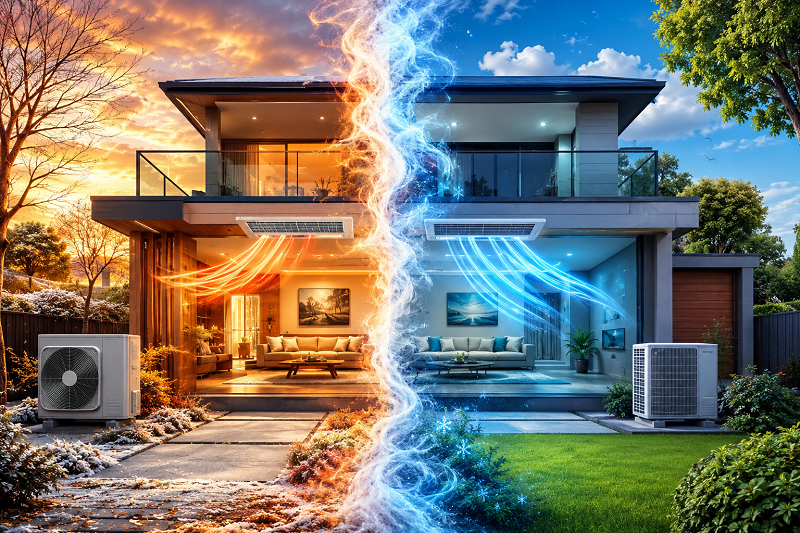
Heating and Cooling Solution options are becoming essential for homeowners living in small apartments and compact houses. Every bit of space counts, and choosing the right heating and cooling solution can improve comfort while reducing energy costs. Unlike traditional systems designed for larger homes, smart technologies adjust temperature based on room size, occupancy, and the local climate. This helps lower electricity bills, maintain consistent indoor temperatures, and provide year-round comfort during Australia’s hot summers and cool winters.
Why Smart Heating and Cooling Matters for Small Spaces
Small homes and apartments require heating and cooling systems that provide maximum comfort without wasting energy. Unlike traditional systems designed for larger properties, modern heating and cooling solutions are built to deliver efficient temperature control in compact spaces. They help reduce electricity costs, improve indoor air quality, and maintain consistent temperatures throughout the year. Smart features such as programmable thermostats and zoning controls also allow homeowners to heat or cool only the rooms they use, making these systems a practical and cost-effective choice for Australian homes.
Understanding Australian Climate Zones
Coastal vs Inland
Australia is a country with different weather patterns. Coastal cities like Sydney and Melbourne have temperatures but can get humid in summer and cool in winter. Inland areas like Adelaide and Canberra have temperature swings, with hot days and cold nights. Knowing which zone your home is in helps you choose the heating and cooling technology.
Seasonal Extremes
in one city seasons can feel very different. In the north the wet season brings humidity and hot temperatures while the south gets frosty mornings in winter. A heating and cooling system that can switch between cooling, dehumidifying and heating modes is essential. Smart thermostats that learn your schedule can pre-cool or pre-heat a room before you use it reducing the time the system runs at power.
Key Technologies for Efficient Heating and Cooling Solutions
Heat Pumps
Heat pumps are great for homes. They take heat from the air and move it inside in winter then reverse the process in summer. Because they move heat not make it they use electricity than electric heaters. In spaces a ductless mini-split heat pump can be mounted on a wall. Look for models with a Seasonal Energy Efficiency Ratio (SEER) and a good Australian Climate Rating.
Mini Split Systems
Mini split systems have an indoor unit and an outdoor compressor. They are ideal for apartments where installing ductss hard. The indoor unit can be placed high on a wall to distribute air evenly. This zoning capability is an advantage for heating and cooling in small spaces.
Portable Air Conditioners
Portable air conditioners are practical for solutions or when you cannot make permanent installations. Modern units include built-in dehumidifiers. Can be moved from room to room. They do require a venting hose. It can be routed through a window or small wall opening. Choose a model with an Energy Star rating to keep electricity use low.
Smart Thermostats and Zoning
A smart thermostat is the brain of any heating and cooling setup. It connects to Wi-Fi learns your habits and can be controlled from a smartphone. In homes zoning is especially useful – you can set different temperatures for each room.
Local Regulations and Energy Standards
Australia has standards for safety and energy efficiency. The National Construction Code (NCC) requires all installations to meet the Minimum Energy Efficiency Standards (MEES). Installations must be performed by a plumber or electrician.
Choosing the Right Provider in Australia
Finding an installer is important. Many national chains have branches but smaller regional businesses often offer more personalised service. When comparing providers ask about licensing and insurance warranty coverage and after-sales support.
Installation Tips for Small Spaces
Even the heating and cooling system can under-perform if not installed correctly. Here are some practical tips:
- Place indoor units high on a wall to improve air circulation.
- Use a refrigerant line set to reduce pressure loss.
- Seal any gaps around the venting hose of units to prevent heat loss.
Maintenance and Cost Savings
Regular maintenance keeps your heating and cooling solution running efficiently. Extends its lifespan. Replace air filters every 30-60 days. Inspect units for leaves and debris. Schedule a service at least once a year.
Your Path to a Successful Heating and Cooling Solution in Australia
Choosing the heating and cooling solution for a small space means balancing comfort, energy use and local requirements. Start by understanding your climate zone and seasonal extremes then select a technology that fits your home. Follow regulations, pick a reputable installer and keep up with regular maintenance to maximise savings. With these steps you’ll enjoy an indoor environment all year round while keeping bills low and staying compliant, with Australian standards.