
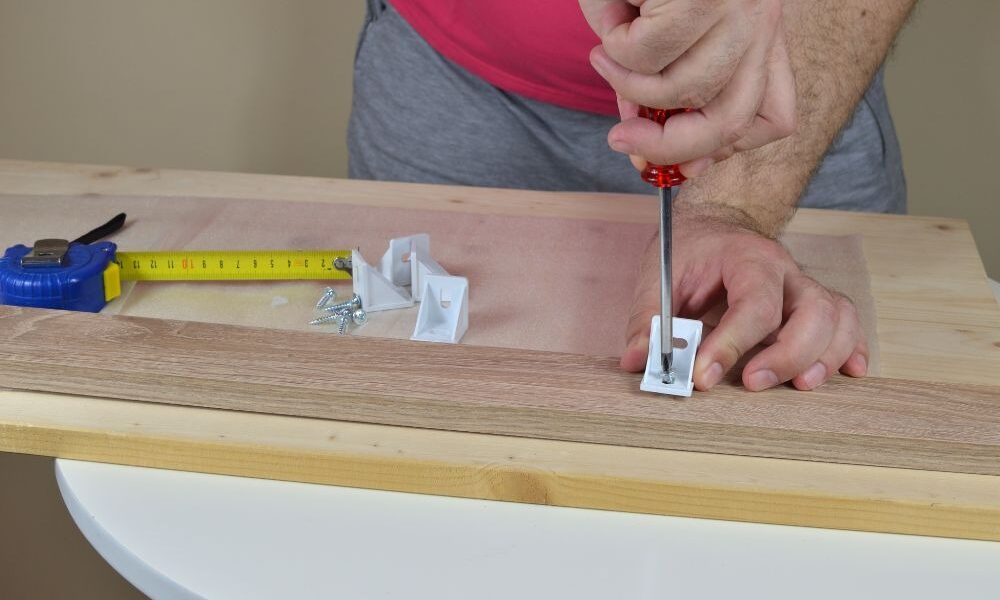
How to Choose the Right Teflon Drawer Slides for Your Furniture

When choosing furniture hardware, drawer slides may not be the first thing that comes to mind. Yet they have a major impact on how smoothly and comfortably a drawer works. Whether you are designing a new wardrobe, upgrading kitchen cabinets, or manufacturing office furniture, the right drawer slide can improve both functionality and durability.
Among the different options available today, teflon drawer slides are a practical choice for furniture applications where smooth movement, low friction, and reliable everyday performance are important. However, selecting the right option involves more than simply choosing a slide that fits the drawer.
From load capacity and dimensions to installation requirements and furniture type, several factors should be considered before making a decision. This guide explains what to look for so you can choose drawer slides that suit your furniture and its intended use.
Understand Your Furniture Application
The first step is to consider where the drawer slides will be used. A small bedside table has very different requirements from a large wardrobe drawer or an office storage unit.
For lightweight furniture, the focus may be on simple operation and cost efficiency. Larger storage drawers, however, need slides capable of handling additional weight without affecting movement.
Think about how frequently the drawer will be opened and closed as well. Kitchen drawers and office storage units may be used several times a day, while drawers in guest-room furniture may see much less use.
Selecting teflon drawer slides according to the actual application helps ensure that the hardware performs properly over time rather than simply meeting the basic size requirements.
Check the Load Capacity
Load capacity is one of the most important factors when choosing drawer hardware. Every slide is designed to support a certain amount of weight, and exceeding that limit can affect performance and shorten its lifespan.
Before selecting a product, estimate the combined weight of the drawer and the items likely to be stored inside it.
For example, a drawer used for clothing may require a relatively moderate capacity. A drawer designed for tools, documents, kitchen utensils, or other heavier items may require stronger hardware.
Choosing a slide with some additional load capacity can also be useful. This provides flexibility if the drawer becomes heavier in the future and reduces unnecessary stress on the hardware during everyday use.
Measure the Drawer Carefully
Even a high-quality drawer slide will not work correctly if its dimensions do not match the furniture.
Start by measuring the drawer depth and the available installation space inside the cabinet. Depending on the slide design, you may also need to measure the clearance between the drawer and the cabinet structure.
Accurate measurements help prevent common problems such as drawers that do not close properly, uneven movement, or hardware that cannot be installed securely.
When replacing existing slides, avoid assuming that all drawers use standard dimensions. Measure the old hardware and the furniture itself before purchasing replacements.
Consider Smooth and Low-Friction Movement
One reason furniture manufacturers and homeowners pay attention to slide material and construction is the quality of movement. A drawer should open and close smoothly without requiring excessive force.
Teflon is widely associated with low-friction properties, which makes teflon drawer slides suitable for applications where easy movement is a priority. Reduced friction between moving components can contribute to a more comfortable user experience, particularly in furniture that is used regularly.
Smooth operation also influences how the furniture feels overall. A well-designed cabinet with drawers that move comfortably can create a noticeably better impression than one with stiff or inconsistent movement.
Look at the Material and Build Quality
Drawer slides are small components, but their construction quality matters significantly. Poorly manufactured slides may become loose, wear unevenly, or develop movement issues after repeated use.
Check the quality of the materials, finishing, and moving components before making your selection. The hardware should feel sturdy and should not have unnecessary play or irregular movement.
For furniture manufacturers purchasing slides in larger quantities, consistency is especially important. Hardware dimensions and performance should remain uniform across batches so that installation and finished furniture quality remain predictable.
A reliable product may cost slightly more initially, but it can help reduce replacements and maintenance over the life of the furniture.
Choose According to Drawer Size
Drawer dimensions also influence which slide will work best.
Small drawers generally carry lighter items and may not require heavy-duty hardware. Wide or deep drawers, however, can place more pressure on the slides, particularly when they are fully loaded.
When evaluating teflon drawer slides, consider the width, depth, construction, and expected contents of the drawer together. Looking at only one factor can result in hardware that technically fits but does not provide the desired performance.
Large drawers should also be properly aligned during installation. Even strong slides can experience uneven stress if one side is positioned differently from the other.
Pay Attention to Installation Requirements
Correct installation is just as important as choosing the right product.
Before purchasing drawer slides, check how they need to be mounted and whether your furniture design provides sufficient clearance. Some systems may be simple to install, while others require more precise positioning.
During installation, both slides should be level and parallel. Misalignment can create resistance, uneven movement, or difficulty opening and closing the drawer.
Furniture manufacturers can benefit from selecting hardware that works well with their existing production process. Easy and consistent installation can save time when assembling multiple cabinets, wardrobes, desks, or other furniture products.
Think About Maintenance
Furniture hardware is expected to work for years, so maintenance requirements should also be considered.
Slides that require frequent adjustment or lubrication may be less convenient in furniture intended for everyday residential use. Choosing hardware designed for smooth, low-maintenance operation can make the furniture easier to own and use.
However, even low-maintenance drawer slides benefit from basic care. Keeping the slide area clean and preventing dust, dirt, or foreign objects from accumulating around moving components can help maintain consistent operation.
Avoid overloading drawers as well. Repeatedly placing more weight inside a drawer than its hardware is designed to support can eventually cause premature wear.
Match the Slides With the Furniture Quality
Hardware should complement the overall quality and purpose of the furniture.
Budget furniture may prioritize simple and economical hardware, while premium furniture often requires components that provide a more refined experience. Customers may not always see the drawer slides, but they will notice how the drawer feels when they use it.
This is particularly relevant for custom furniture, modular kitchens, wardrobes, office desks, storage cabinets, and other products where drawers are important functional elements.
Choosing suitable teflon drawer slides can therefore contribute to the perceived quality of the finished furniture, even though the hardware itself remains mostly hidden.
Compare Products Before Making a Decision
It is tempting to select drawer hardware based on price alone, especially when purchasing large quantities. However, the cheapest option may not always provide the best long-term value.
Compare products based on dimensions, load capacity, material quality, expected durability, installation requirements, and manufacturer specifications.
If you are purchasing for a furniture manufacturing business, requesting samples before placing a bulk order can be helpful. Testing the slides in an actual furniture unit allows you to evaluate movement, fit, installation convenience, and overall performance.
For individual furniture projects, checking technical specifications carefully before purchasing can prevent unnecessary returns or modifications.
Common Mistakes to Avoid
One of the most common mistakes is selecting drawer slides without considering the expected load. Hardware that works well for a lightweight drawer may perform poorly when used for heavier storage.
Incorrect measurement is another frequent issue. Even a small difference in dimensions or installation clearance can affect how smoothly the drawer operates.
Poor alignment during installation can also create unnecessary friction. Taking extra time to position the hardware accurately can make a significant difference in the finished result.
Finally, avoid choosing slides purely because they are inexpensive. Furniture hardware is used repeatedly, so reliability and consistent performance are usually more valuable than a small upfront saving.
Final Thoughts
Choosing the right drawer slides requires a balance of size, strength, movement, construction quality, and installation compatibility. Rather than treating drawer hardware as a minor detail, consider how frequently the furniture will be used and what the drawers are expected to hold.
Start with accurate measurements, determine the required load capacity, and evaluate the quality of the hardware before purchasing. For furniture that requires smooth and low-friction drawer movement, Teflon-based slide options can be worth considering.
The right choice helps drawers operate comfortably, supports everyday usability, and contributes to the overall quality of the furniture. Whether you are building a single cabinet or manufacturing furniture on a larger scale, investing time in selecting suitable drawer slides can lead to better-performing furniture and fewer hardware problems in the long run.